Physical Address
304 North Cardinal St.
Dorchester Center, MA 02124
Physical Address
304 North Cardinal St.
Dorchester Center, MA 02124

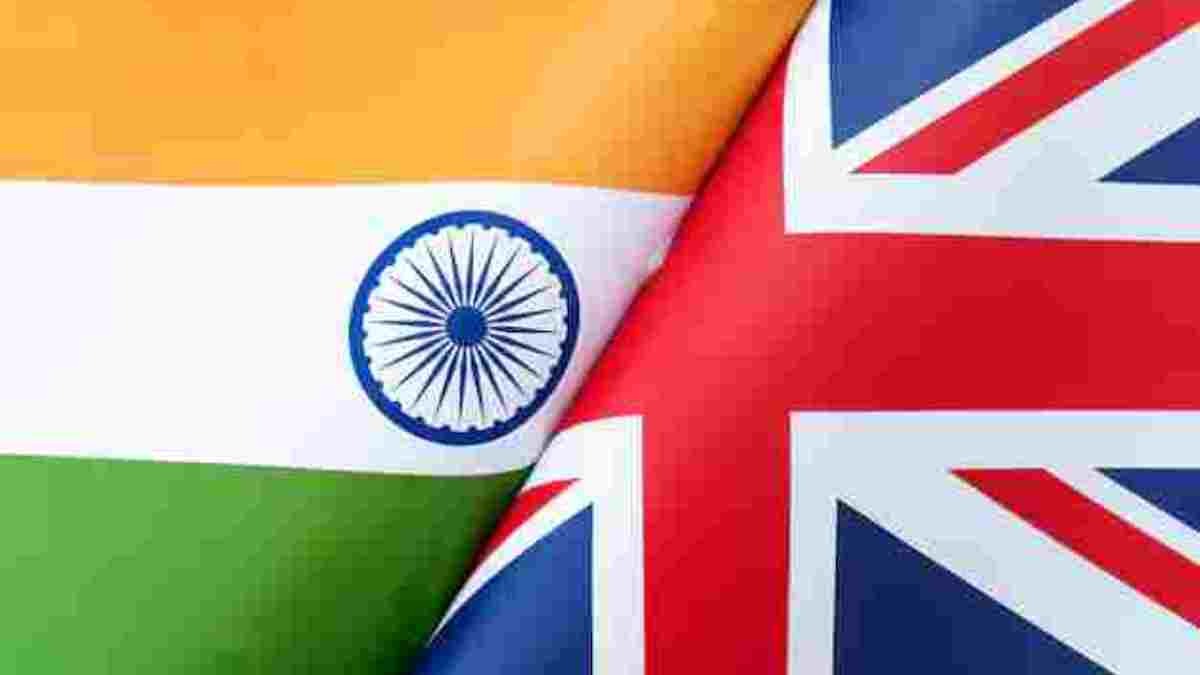
India and the United Kingdom have announced that their landmark free trade agreement (FTA) will come into force on July 15, marking a major milestone in bilateral economic ties and paving the way for sweeping tariff cuts across a range of products.
The British government said businesses in both countries now have 28 days to prepare for the agreement’s implementation, after which they will be able to trade under the new terms. Officials described the turnaround as the quickest ever following the signing of a trade deal.
The pact is expected to boost bilateral trade by £25.5 billion annually in the long run, while adding £4.8 billion to the UK economy and increasing real wages by £2.2 billion, according to British estimates.
The agreement is being billed by London as the most comprehensive trade deal ever brought into force by India, giving British exporters an immediate competitive advantage in one of the world’s fastest-growing major economies.
In a post on X, PM Narendra Modi said: “A historic milestone for India-UK relations. Delighted to note that the India-UK Comprehensive Economic and Trade Agreement will enter into force on 15th July 2026. This agreement will significantly boost our bilateral trade and investment. It will also unlock numerous n farmers, workers, MSMEs, startups and innovators and contribute meaningfully to the realisation of Viksit Bharat 2047. Both PM Starmer and I, who are in Evian for the G7 Summit, are naturally very happy with the significant momentum being added to our economic ties.”
Britain’s Scotch whisky
Among the biggest beneficiaries of the deal will be Britain’s Scotch whisky industry. India has agreed to cut import tariffs on whisky from 150% to 40%, significantly improving market access for British distillers. Tariffs on automobiles will also be reduced from 100% to 10% under a quota arrangement.
MUST READ: India-UK FTA talks advance as Piyush Goyal meets Peter Kyle amid steel tariff concerns
Cosmetics and several other products will see duties of up to 22% eliminated either immediately or over a period of up to 10 years.
In return, Britain will reduce tariffs on a range of Indian exports, including clothing, footwear and certain food products. The move is expected to lower costs for British businesses importing Indian goods and potentially lead to lower prices and more choices for consumers.
UK Secretary of State for Business and Trade Peter Kyle said the government was moving quickly to ensure businesses and consumers could begin benefiting from the agreement without delay.
“We are bringing our landmark trade deal with India into force as quickly as we can, because we want businesses and the public to feel the benefits immediately, including cuts to tariffs of £400 million within the first year alone,” Kyle said.
He added that the agreement would give British exporters an edge over international competitors and urged companies to use the next few weeks to prepare for opportunities in India’s vast market.
MUST READ: JLR India cuts prices of Range Rover SV, Range Rover Sport SV by up to ₹75 lakh after India–UK FTA
UK-India Double Contributions Convention Agreement
Alongside the FTA, the UK-India Double Contributions Convention Agreement will also come into effect on July 15. Under the arrangement, UK nationals moving to India for work will be able to continue building entitlement to the UK State Pension for up to 60 months, up from the current 36 months, while continuing to pay National Insurance contributions instead of making duplicate social security payments in India.
The arrangement will work on a reciprocal basis for Indian professionals working in the UK and will apply to highly skilled workers using existing visa routes. Similar agreements are already in place with countries including Japan, South Korea and Canada.
MUST READ: UK-India FTA a significant achievement, says House of Lords International Agreements Committee but flags shortcomings
The implementation date was agreed despite ongoing differences over Britain’s forthcoming steel tariff regime.
Businesses seeking to benefit from lower tariffs will be required to register with HM Revenue & Customs (HMRC). British officials are encouraging companies to use the next four weeks to ensure they are fully prepared to take advantage of the opportunities created by the deal.
With India implementing a trade agreement of this scale for the first time, both countries are hoping the pact will unlock fresh investment, strengthen supply chains and deepen their strategic economic partnership.