Physical Address
304 North Cardinal St.
Dorchester Center, MA 02124
Physical Address
304 North Cardinal St.
Dorchester Center, MA 02124
Every four years, a second competition runs alongside the football. While the teams fight it out on the pitch, the BBC and ITV fight it out for your attention, and the battle for the 2026 World Cup audience will represent another chapter between the TV giants.
Both broadcasters hold the UK rights for all 104 matches, every one of them free to air. The tournament runs from June 11 to July 19, spanning 39 days, three countries and time zones that will push late games past 4am in the UK.
Within that shared brief, however, two very different broadcasting strategies are emerging.
101GreatGoals takes a look at how the BBC and ITV stack up against each other.
The BBC’s coverage will be fronted by Kelly Cates, Mark Chapman, Gabby Logan and Alex Scott. Cates, the daughter of Sir Kenny Dalglish, arrived at the BBC after more than a decade presenting Premier League football for Sky Sports and has grown into one of the most assured studio anchors on British television.
Chapman has been a BBC Sport staple for over two decades, presenting Match of the Day 2 since 2013 before stepping up into the flagship role this past season following Gary Lineker’s exit.

Logan brings the most extensive tournament experience of the four, having covered multiple World Cups, Olympics and European Championships across nearly 30 years in broadcasting.
Scott, a former Arsenal and England defender, has become one of the sport’s most recognisable presenting faces since retiring as a player, taking on an increasingly prominent role at the BBC across major tournaments.
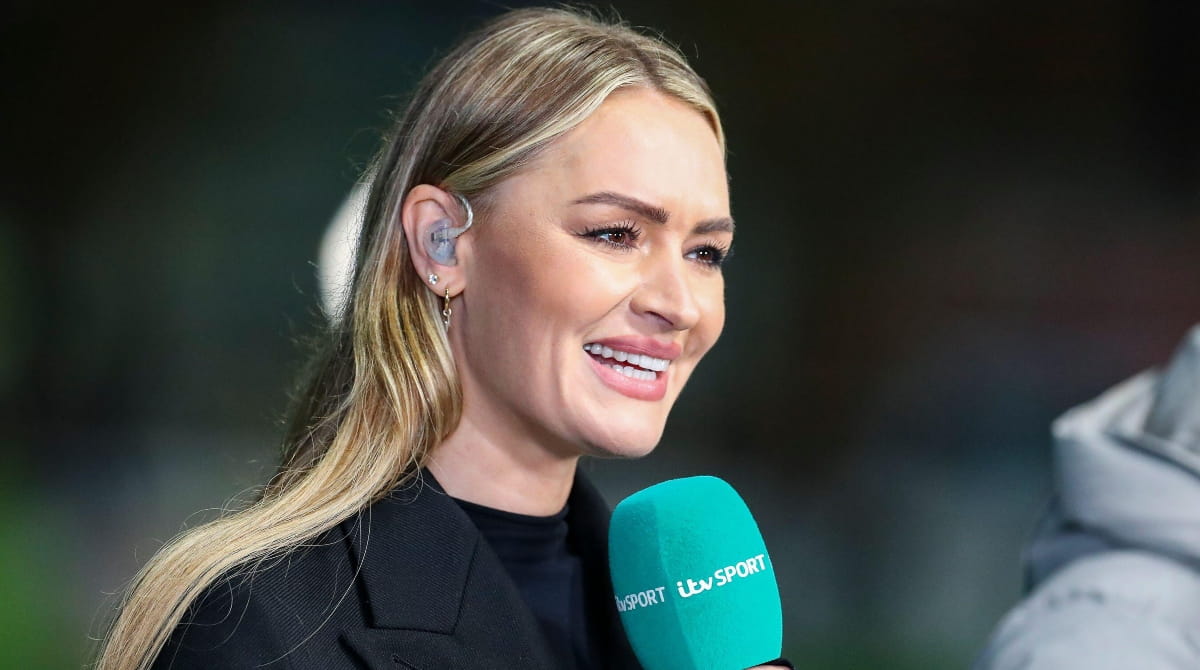
ITV’s coverage is led by Mark Pougatch, Laura Woods and Semra Hunter. Pougatch, 58, is ITV Sport’s most experienced anchor and has been their lead football presenter since replacing Adrian Chiles in 2015. This is his third World Cup with the broadcaster.
Woods has become one of the most prominent figures in sports broadcasting in a relatively short space of time, having worked across talkSPORT, Sky Sports and TNT Sports before establishing herself at ITV. North America is her second World Cup with the channel.
Hunter, an American broadcaster best known for her expertise in Spanish football, adds a different dimension to the trio and brings some more relevance given the tournament’s host nation.
The studio line-ups are where the broadcasters have made their clearest statements of intent.
ITV have assembled the more talked-about punditry panel. Roy Keane, Ian Wright and Gary Neville are the headline names, three of the most opinionated and recognisable football voices in the country.
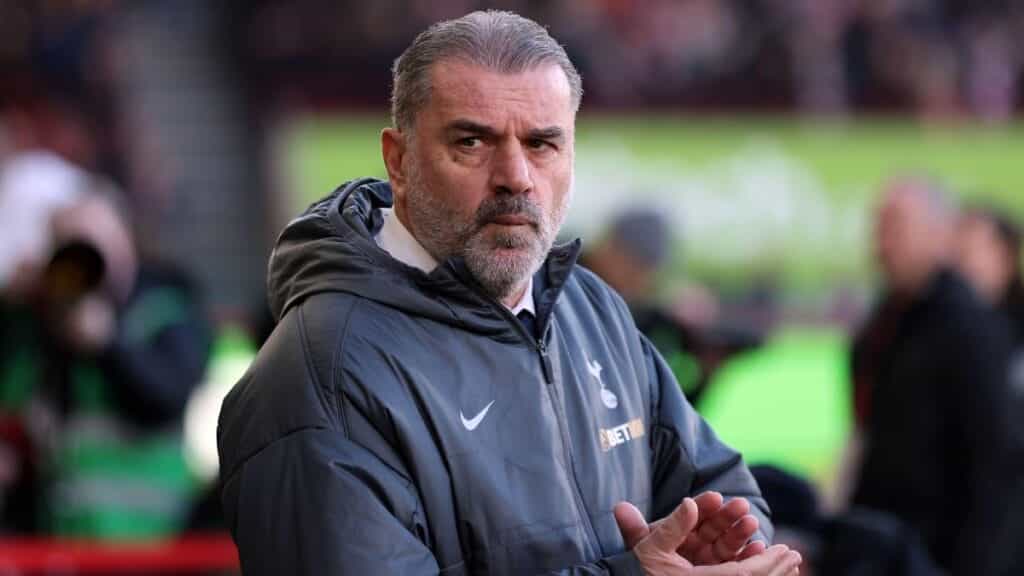
Patrick Vieira adds international authority alongside Ange Postecoglou, who is seen as a coup, bringing a manager who has won major silverware and has strong opinions on the game.
Emma Hayes, Karen Carney and former Wimbledon midfielder Jobi McAnuff round out a squad with real range.
ITV have also taken a gamble by adding Adam Richman, the American television presenter best known for Man v Food, as a studio host for the US segments. Whether that lands with a British football audience is yet to be decided.
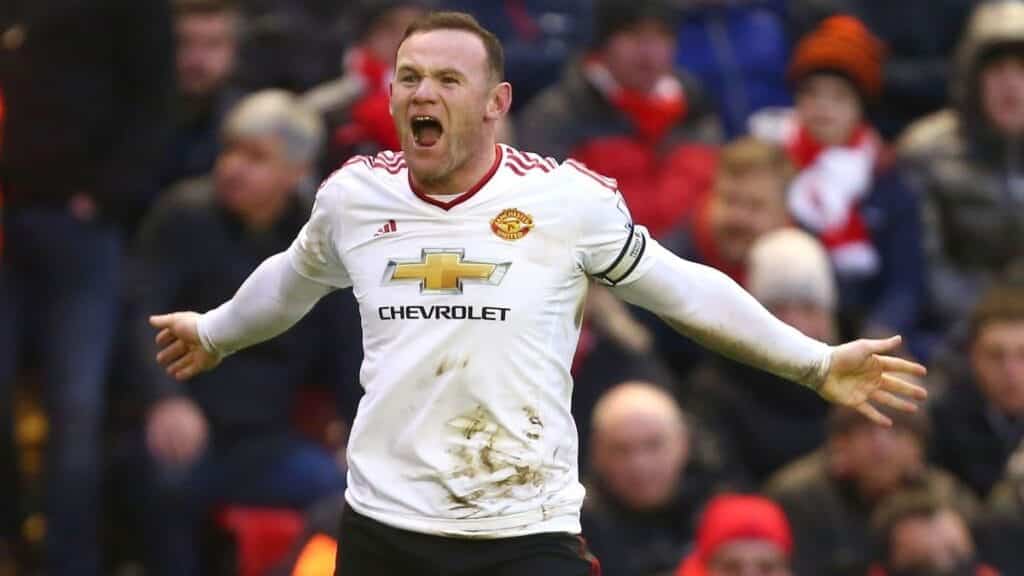
The BBC’s squad is filled with former players. Alan Shearer and Wayne Rooney bring Premier League royalty to the studio alongside Micah Richards and Danny Murphy, both established broadcasters.
Joe Hart gives the panel a recent England goalkeeper’s perspective. The overseas recruitment is interesting: Olivier Giroud, Gael Clichy, Cesar Azpilicueta, Benni McCarthy and Ashley Williams all bring international tournament experience to a panel that covers a wider range of nations than ITV’s.
Thomas Frank, the former Brentford manager who made his name during the club’s rise to the Premier League, is another intriguing addition.
On balance, ITV’s trio of Keane, Wright and Neville is the most magnetic combination in either studio. When those three disagree, which they often do, it is an entertaining watch. The BBC offer more breadth and perhaps more reliability, but fewer moments that will generate the next morning’s headlines.
This is where the two broadcasters have made their most intriguing decisions.
ITV have committed to a studio in Brooklyn, New York, with the Manhattan skyline as a backdrop. Keane, Wright and Neville will be filmed on location in the United States, producing social media content throughout the tournament.
It is an expensive call, but it buys them the atmosphere, the proximity to the games and the visual excitement of being inside the tournament rather than watching it from the other side of the Atlantic.
The BBC are staying in Salford for the bulk of the group stage, flying a team out to North America only for the latter rounds.
It is a cost-saving decision driven by the realities of licence fee pressure. BBC Sport director Alex Kay-Jelski has framed it as a deliberate strategy to reach younger audiences through YouTube and TikTok rather than spending budget on transatlantic travel.
Presenter Gabby Logan also defended the approach, pointing to sustainability and tightening budgets as the reason behind the decision.
It is a reasonable argument. The question is whether it matters to viewers. In 2022, the BBC drew enormous audiences from studios in the UK for a tournament in Qatar.
But North America offers something different: the time zones mean games often kick off at civilised UK hours, the host cities are visually compelling, and ITV’s investment in being there could pay off in terms of energy and engagement.
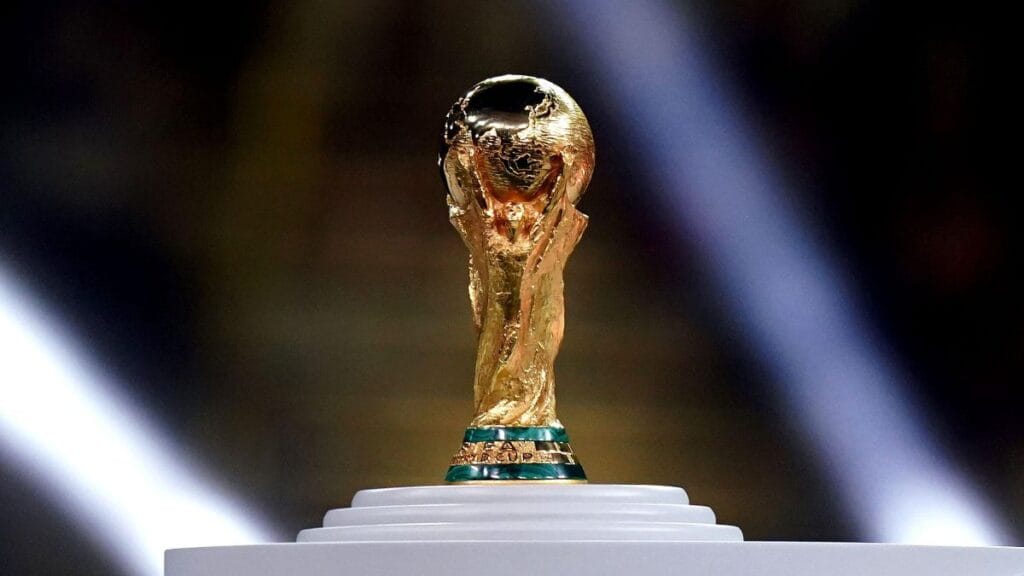
The match allocation is where tournaments are really won and lost, and the split for 2026 is another key battle.
The BBC have 54 matches to ITV’s 51 overall, but the numbers only tell part of the story. ITV have England’s opening game, a prime-time Saturday night clash against Croatia on June 17 that could be the biggest single broadcast of the summer.
They also have England’s final group game against Panama. The BBC made a gamble: they took the potential knockout stage matches instead, including England’s last-32 and last-16 fixtures, on the assumption that those are the games that drive the peak viewing numbers.
It is a reasonable bet historically. England’s knockout games in Qatar drew the biggest audiences of the entire tournament. But there is an inherent risk in building your strategy around future England progression, and if the Three Lions go out early, the BBC’s risk will cost them.
For Scotland fans, their opener against Haiti is on the BBC, as is the crunch match against Brazil in Miami on June 24. ITV have Scotland against Morocco in between.
The BBC also holds the choice of semi-finals when they come, while ITV have three quarter-finals. Both broadcasters will show the World Cup final on July 19 in a repeat of Qatar 2022.
In 2022, ITV dominated the group stage and knockout round audiences because they had England’s most consequential games. England v France, the quarter-final, drew a peak of 23 million viewers across TV and streaming on ITV, making it the most-watched programme on any channel in 2022.
England v Senegal peaked at 20 million, and England v USA at 18 million. The three most-watched matches of the tournament were all on ITV.
The final, however, told a different story. When both broadcasters showed Argentina v France simultaneously, the BBC drew 14.9 million linear viewers at peak against ITV’s 4.3 million. Across streaming, the gap was significant too.
The BBC’s brand authority, its position as the national broadcaster and the instinct of much of the older audience to default to BBC One in major moments all contributed.
The pattern is this: ITV win the ratings war during the group stage and knockout rounds because they tend to hold England’s biggest games. The BBC win the final.
The BBC also win on brand prestige. ITV win on peak audiences when England are involved.
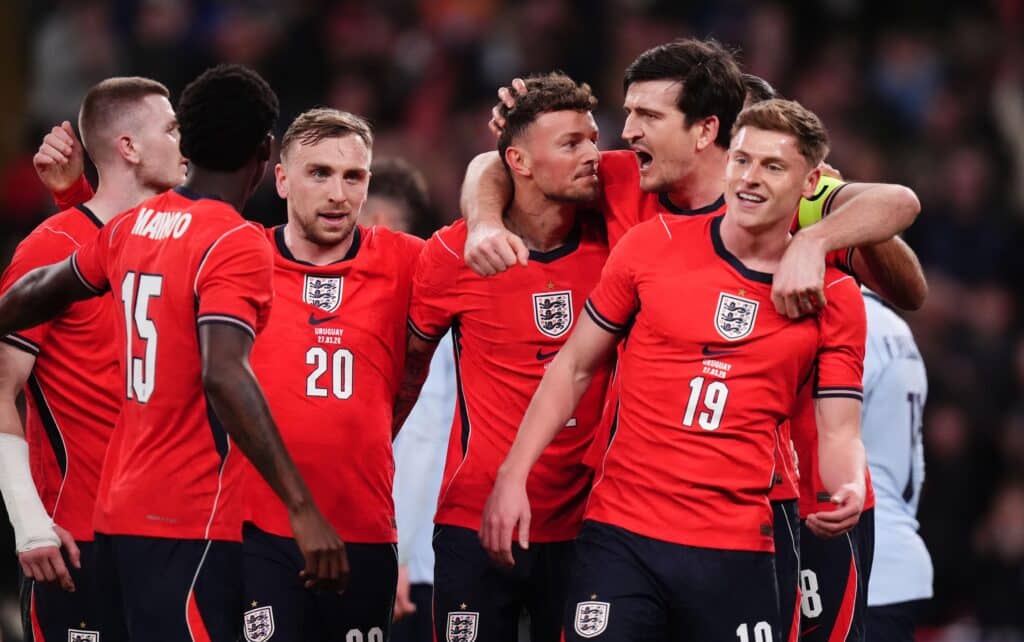
The answer is likely to be the same as it has always been: whoever has England’s biggest night.
If England reach the quarter-finals and beyond, ITV’s studio in Brooklyn, their punditry firepower and their grip on the early England fixtures should give them a significant advantage in the overall tournament ratings.
If England go out in the group stage or the round of 32, the BBC’s depth of fixtures and the natural drift of audiences towards the national broadcaster in the closing stages could tell a different story.
ITV have made the bolder choices this summer. Brooklyn over Salford. Keane, Wright and Neville over more considered, measured analysis. A food television presenter alongside international football royalty. Some of those choices will work. Some may not.
The BBC have bet on history repeating itself. They have the better-rested budget, the deeper fixture list in the knockout rounds and a streaming platform that has consistently outperformed expectations at major tournaments.