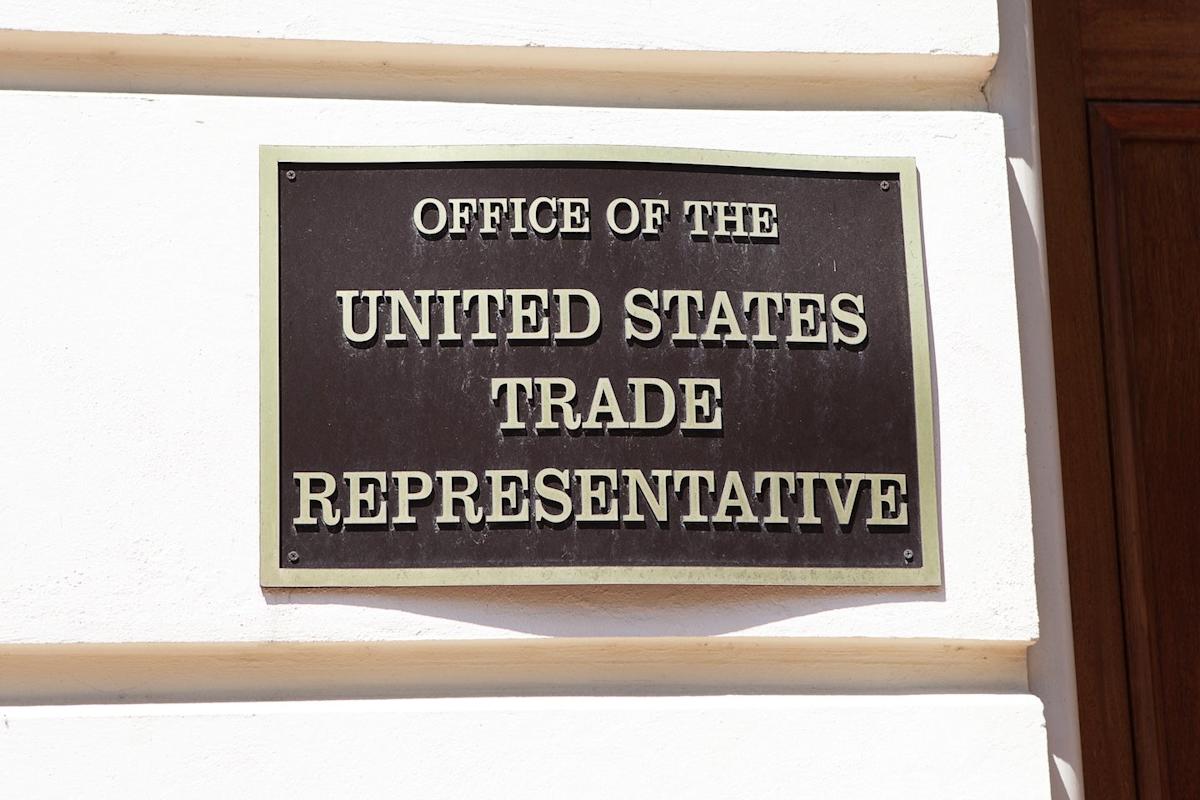
The Office of the US Trade Representative (USTR) has triggered a new active investigation targeting Germany over what it describes as “persistent underpayment for innovative medicines” and other policies discriminatory to US commerce. Underpinning the investigation is a long-standing conviction within the Trump administration that the US shoulders a disproportionate share of global R&D costs for innovative medicines while Europe takes advantage of relatively low prices for branded pharmaceuticals.
The USTR decision to open a Section 301 investigation into pharmaceutical pricing and reimbursement policies in Germany is part of an escalating pattern of US executive orders piling pressure on European governments to accept higher medicine prices as demanded by the Trump administration. USTR head Jamieson Greer declared that the investigation would focus on allegations of “persistent underpayment for innovative pharmaceutical products” by Germany and other “freeloading” policies, which are considered “unreasonable or discriminatory” to the US. If investigators uncover violations, this could enable the USTR to pursue unilateral action against Germany. Options on the table would potentially include US tariffs or import restrictions on Germany. But since it would be difficult for the US to consider tariff-related actions on German imports alone, there is a risk of broader trade implications for the EU.
The trigger for the USTR investigation appears primarily to be over fast-tracked German reforms to reduce spending on innovative pharmaceuticals. But the Section 301 investigation will also assess whether Germany’s AMNOG-derived net prices result in “persistent” and “insufficient” payments for innovative pharmaceutical products.
Greer describes the cost-containment proposals emanating from Berlin as representing a “serious step backwards” that threatens to reduce spending on innovative medicines. For its part, Germany’s Health Minister Nina Warken said that the country’s statutory health insurance system faces a “strained financial situation”, which makes it difficult to pay higher prices. To address this, German policymakers had proposed introducing dynamic discounts on patent-protected medicines. However, broad opposition within Germany had already given rise to credible reports that the struggling coalition government of Chancellor Friedrich Merz was considering abandoning or heavily modifying that plan. Whether the US intervention accelerates a decision to soften the reform proposals is debatable. But in theory, the German government would have time to address US concerns before Section 301 hearings take place in September 2026. On the other hand, there is no sign of Germany wavering in its opposition to pharmaceutical price increases. Germany has offered the US further talks, although Merz billed this as a chance to provide an explanation of the organisation of the health insurance and drug reimbursement system in Germany to the US executive. Already facing a leadership crisis of confidence in his government, it would be very difficult for Merz to be seen making concessions to the US. Therefore, unsurprisingly, he has held the line that the issues identified by the Section 301 investigation are an internal policy matter and that the question of tariffs has been dealt with by the EU–US trade agreement.
The strategic logic of targeting Germany is clear. It is by far the largest and most important pharmaceutical market in the EU, as well as an early launch market for innovative medicines. If Germany succumbed to US pressure, there could be a domino effect. That said, Germany is unlikely to be the only target. Although it runs a large trade surplus with the US in medicines, it does not have low pharmaceutical prices by EU standards. Other countries with large surpluses and broadly average European prices, Belgium and Ireland among them, could also find themselves in investigators’ crosshairs. One possibility is that the US strategy is to single out individual EU countries and split the single-market bloc. There is, however, probably enough political momentum for the EU to adopt a common line against the investigation; whether that unity extends beyond the trade dimension to the Most Favored Nation agenda is less clear. Looking beyond Europe, policymakers in South Korea and elsewhere are watching developments warily. Like the EU, trade officials in South Korea have concluded a trade agreement with the US, setting a cap on tariffs. Yet, in May 2026, the USTR expressed concerns regarding South Korea’s pharmaceutical pricing processes. These are clear signs that the US administration’s pharmaceutical pricing campaigns are far from over, impacting policymakers in Europe, South Korea, and potentially elsewhere.
For the innovative pharmaceutical sector, Section 301 investigations have led to a split in views emerging between the domestic European companies and US multinationals. The European Federation of Pharmaceutical Industries and Associations (EFPIA) has sought to observe neutrality on the matter by emphasising that Section 301 investigations are “a matter for the US Government”. Meanwhile, the association of research-based pharmaceutical companies (VFA) is appealing for quick negotiations between the two sides in order “to remove obstacles and create planning certainty for businesses”, and no doubt wants to steer clear of harmful future US levies on pharmaceuticals. These cautious sentiments are not as readily shared by innovative US pharmaceutical companies, which appear to regard the Section 301 investigations as useful insofar as it applies pressure to raise pharmaceutical prices in the EU, and potentially scrap the most contentious parts of the planned reform agenda in Germany.
GlobalData assesses the short-term threat of Section 301 tariffs on Germany as long risk. Firstly, these investigations typically involve slow-moving work processes, often taking several months to conclude. Secondly, right now, there are good reasons for thinking that the US is using the investigation as diplomatic and economic leverage to steer German policymakers toward UK-style concessions, following the template of the UK–US pharma zero-tariff agreement finalised in April 2026.
This article is produced as part of GlobalData’s Price Intelligence (POLI) service, the world’s leading resource for global pharmaceutical pricing, HTA and market access intelligence integrated with the broader epidemiology, disease, clinical trials and manufacturing expertise of GlobalData’s Pharmaceutical Intelligence Center. Our unparalleled team of in-house experts monitors P&R policy developments, outcomes and data analytics around the world every day to give our clients the edge by providing critical early warning signals and insights. For a demo or further information, please contact us here.
“US patent infringement investigation targets German drug price control measures” was originally created and published by Pharmaceutical Technology, a GlobalData owned brand.
The information on this site has been included in good faith for general informational purposes only. It is not intended to amount to advice on which you should rely, and we give no representation, warranty or guarantee, whether express or implied as to its accuracy or completeness. You must obtain professional or specialist advice before taking, or refraining from, any action on the basis of the content on our site.