Physical Address
304 North Cardinal St.
Dorchester Center, MA 02124
Physical Address
304 North Cardinal St.
Dorchester Center, MA 02124

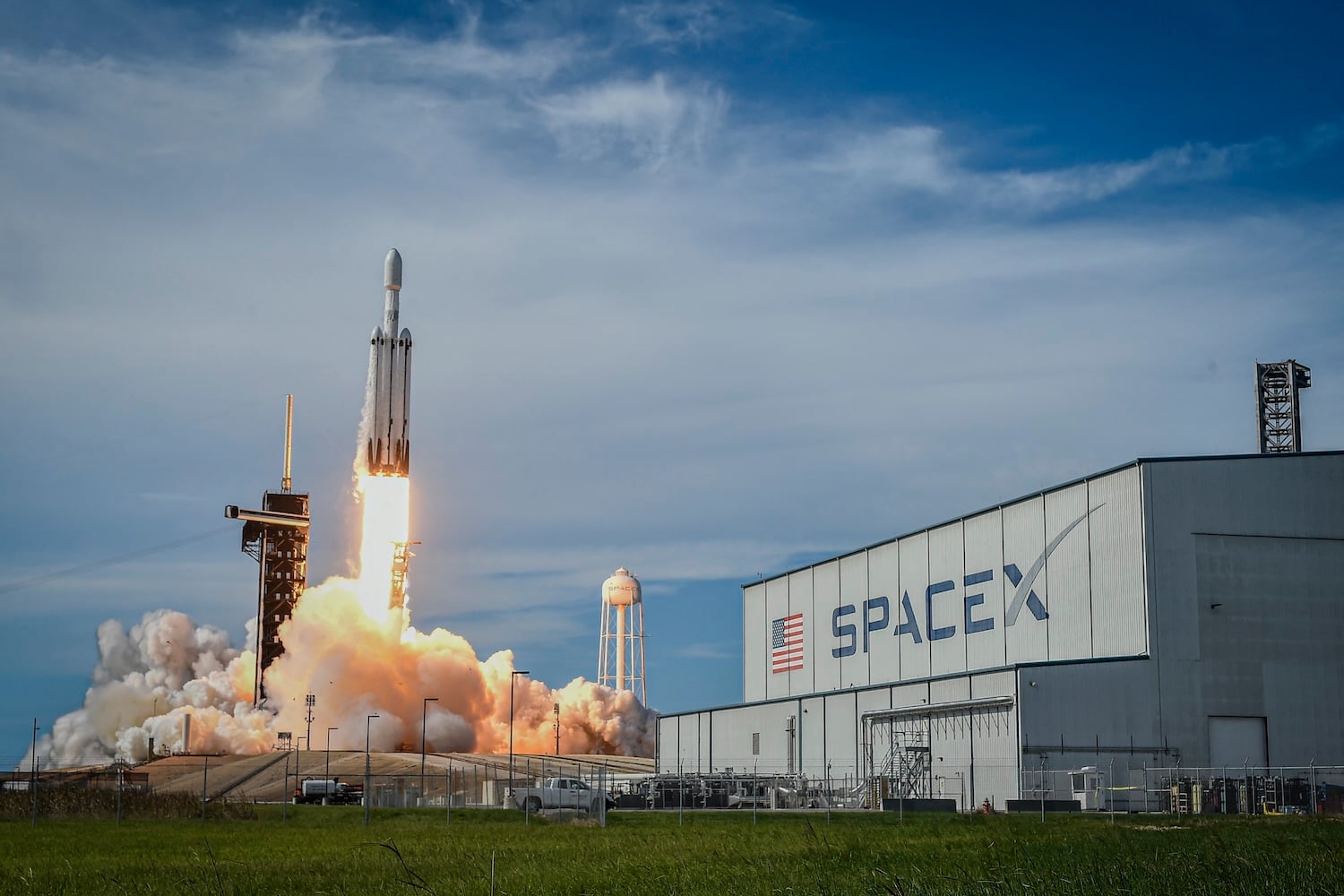

With just two days left before SpaceX begins trading on the Nasdaq, Senator Elizabeth Warren is asking the SEC to delay its IPO.
In a letter to SEC Chair Paul Atkins, Sen. Warren raised concerns about potential inaccuracies in the company’s valuation and the unusual governance structure, in which founder Elon Musk serves as CEO, CTO, and chair of the board while also holding the majority of the voting shares, making him virtually unimpeachable.
“This IPO appears to present significant risks to ordinary investors and their retirement savings – while carrying enormous advantages for SpaceX insiders, including senior Trump Administration officials,” Sen. Warren wrote. “The net result could be disastrous: a scenario where retirees’ and families’ investment accounts take a hit if SpaceX’s valuation falters, with little recourse for any corporate misconduct, while the wealthiest man on earth becomes even wealthier due to a lack of oversight.”
At an expected valuation of $1.75 trillion and investor demand looking above expectations, the IPO is expected to be the biggest in history, making more than 4,000 of its employees millionaires and Musk the world’s first trillionaire. According to a recent Bloomberg report citing last year’s financial disclosures, several Trump administration officials also held SpaceX or xAI stock worth up to $43.8 million.
But that record valuation is considered largely speculative. Last week, a group of analysts valued the company at less than half its target valuation, in part because the current valuation is largely based on a leap of faith that Musk’s moonshot idea of building a colony of space-based data centers will not only work but be hugely profitable. The company wrote in its IPO filing that it has “a history of net losses and may not achieve profitability in the future.”
Earlier this year, SpaceX, Musk’s space giant, merged in a record-setting M&A deal with xAI, Musk’s AI company that also owns and operates social media platform X. The merged entity was valued at $1.25 trillion, a number that has informed the target market valuation of $1.75 trillion. The space business and its crown jewel, Starlink, do well, but the AI business recorded a $2.5 billion operating loss in the first quarter of this year, according to the IPO filings, and is eyeing even more record spending to build the AI data centers in space.
“The company’s accounting and financial reports contain troubling gaps, and are clouded by the massive and opaque xAI merger that occurred earlier this year,” Warren writes.
On top of that, Musk has been under heat the past month after making comments on social media that contradicted the financial details SpaceX disclosed in the IPO filing. Musk said SpaceX could walk away early from a $15 billion-a-year leasing agreement with Anthropic that investors were expecting to last three years, further muddying valuation efforts.
Last month, Akademikerpension, a major Danish pension fund, blacklisted SpaceX, saying that with all the uncertainty, the company’s actual value “cannot reasonably exceed USD 1 trillion” even under the most optimistic assumptions, making the stock at least 80% overvalued according to analysts’ calculations.
Warren is also worried about “the complicity of major stock indices in waiving old rules or creating new ones to allow SpaceX’s inclusion.”
Earlier this year, major index providers Nasdaq and FTSE Russell relaxed their rules to allow companies with mega valuations like SpaceX to join their indexes sooner than later. These indexes form a major part of the 401(k)s, pension funds, and retirement accounts of everyday Americans. The most widely tracked one, the S&P 500, was also debating changes but eventually rejected them earlier this month.
This means that with SpaceX entering these indices, Americans will be forced to buy billions of dollars of SpaceX stock through their pension funds or retirement accounts, and any drop in market capitalization that could happen if the valuation is inaccurate would have an impact on their savings.
“If that valuation cannot be sustained, the investors who have chosen to buy in at lofty valuations – or will be forced to do so because of their investments in index funds, that are themselves based on indexes that have amended their rules to include SpaceX – will pay the price,” Warren wrote. “In short, these changes may enable a scheme of financial engineering that rigs America’s capital markets in favor of Mr. Musk and his allies.”