Physical Address
304 North Cardinal St.
Dorchester Center, MA 02124
Physical Address
304 North Cardinal St.
Dorchester Center, MA 02124

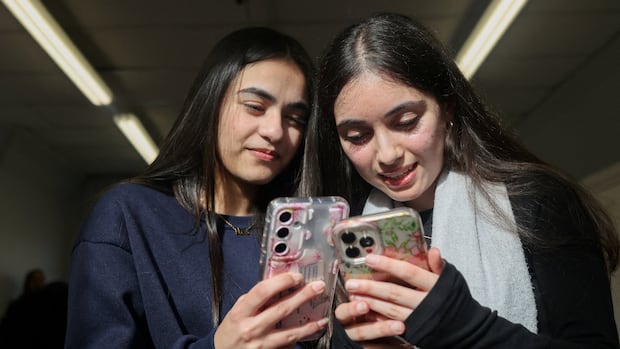
With an increasing number of countries implementing social media bans for young users, there’s a growing sense that these restrictions are becoming more common and that social platforms could face a reckoning.
On Monday, Britain joined those countries, with Prime Minister Keir Starmer announcing legislation to ban British children under 16 from a range of social media apps, with multimillion-dollar fines for platforms that fail to take reasonable steps to bar accounts for these young users. Starmer aims to bring the legislation into force by spring 2027.
While each nation exploring these bans and restrictions are taking varied approaches and are at at different stages, there’s a sense among some experts that this could represent a turning point for social media platforms. One U.S. expert suggested they could be facing a reckoning similar to what cigarette companies experienced in the 1990s.
“Some folks are calling it the kind of tech Big Tobacco moment … a gathering of momentum on these issues,” said Justin Hendrix, the Brooklyn, N.Y.-based editor of Tech Policy Press.

Social media is now more than two decades old and goverments have been too slow to regulate the industry, according to London, Ont.-based technology analyst Carmi Levy, especially given research associating its use with negative mental health impacts for young people and a raft of lawsuits alleging harm.
“Until now, governments have been largely content to allow technology companies to establish the rules of play, to operate as they do without any kind of constraint,” he said.
“Now, we’ve seen where those chips may land and no one’s happy with the results.”
Sociologist Kaitlynn Mendes says this new worldwide wave of social media legislation and a growing appetite for more accountability from tech companies has been building for years.
It comes after high-profile accounts from tech whistleblowers, discussions sparked by popular books like The Anxious Generation, documentary The Social Dilemma and the Netflix show Adolescence — all coupled with the real-life experiences of countless parents and teens as well, she said.

Consumer products aren’t typically released to the public without testing or establishing who’s liable if they fail, she noted.
“Social media companies really seem to have escaped all of that,” said Mendes, a sociology professor at Western University in London, Ont., and head of the Digitally Informed Youth: Digital Safety Lab.
“Why are we letting these technologies that are in so many of our hands and our homes be released without that rigorous testing and without those accountability measures?”

When asked why the government did not outright ban social media for children under the age of 16, Culture Minister Marc Miller said ‘there’s part of my brain that agrees with it, but I think we know that social media can be made safe by design.’ He added that there is an important role for both parents and provincial governments to play.
With Australia’s introduction of a landmark under-16 social media ban in December setting the benchmark, each subsequent nation that tackles the discussion or follows suit with its own legislation seems to be adapting and tweaking their approach, Levy said.
“They are drawing on the experiences, the best practices, the not-best practices from countries that have done so previously, and they’re building on that growing global knowledge base,” he said.

Levy says the U.K. proposal seems to take what Canada and some other countries have included and pushes it further by adding age restrictions to AI chatbots.
By also wrapping in a video streamer like YouTube and specifying restrictions about who can contact children on gaming and livestreaming platforms, the U.K. is recognizing “that all of these platforms have very strong social components and they have very similar impacts on their users,” Levy said.
Starmer noted that he expected to discuss online safety with world leaders at this week’s G7 Summit in France that kicked off Monday.
The United States has warned against the U.K.’s regulations, suggesting they violate freedom of speech and overburden American tech companies.
Five of the G7 nations are considering or legislating restrictions on the use of social media by youth. Speaking ahead of Monday’s meeting, Canadian Prime Minister Mark Carney noted that some countries would be on the same page about taking action on artificial intelligence and child safety.
Concern about negative impacts on adolescent mental health has primarily driven policymakers worldwide to consider social media restrictions, though, according to Hendrix with Tech Policy Press, local priorities guide each jurisdiction’s discussions or legislation.
The non-profit media outlet, which covers technology policy and democracy around the globe, has been tracking social media restrictions for youth globally as different nations consider, propose and implement laws.
For example, national security concerns and the trafficking of young people are particular issues raised in Ecuador, he said, while other regions led by authoritarian governments have been more keen to block pornographic content or other material leaders deem inappropriate.
Hendrix notes that taking AI chatbots into consideration in proposed laws suggests that countries are learning lessons from their failures with social media and trying not to repeat them with artificial intelligence.

He also says he’s seen more talk of safety-by-design requirements, such as eliminating certain platform elements, like endless scrolling or autoplaying videos.
With so many countries moving quickly to implement legislation, Hendrix told CBC News that it will be interesting to see if it creates a kind of “global domino effect.”
Mendes, the sociology professor, would rather see more countries adopt targeted measures around platform regulation and safety-by-design principals that actually support young users’ mental health instead of simple age-related bans. Still, she suggests change will come easier as more countries act since there’s power in numbers.
“If a social media company has to make fundamental changes to a platform in one place, they’re probably just going to roll it out across all places,” she said, because it’s too difficult to manage otherwise.
If countries band together to demand change, it becomes difficult for tech giants to push back, she said. “They are either forced to make changes or they’re not going to be able to operate.”