Physical Address
304 North Cardinal St.
Dorchester Center, MA 02124
Physical Address
304 North Cardinal St.
Dorchester Center, MA 02124
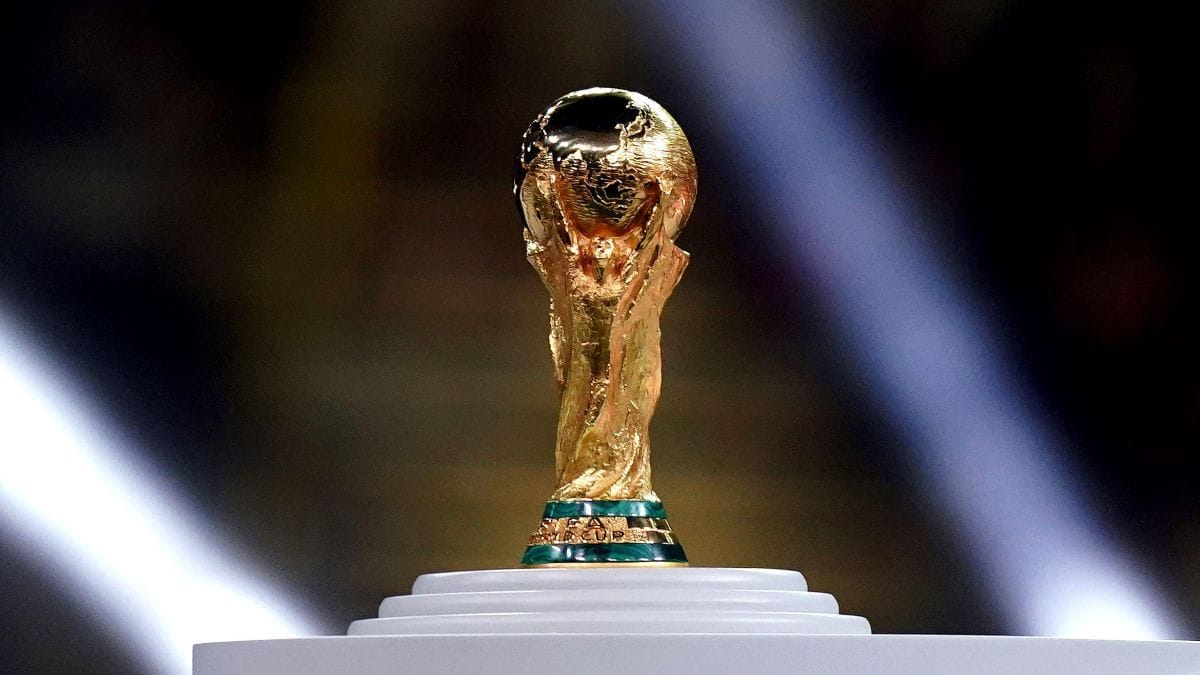
The World Cup is here!
The countdown to arguably the biggest sports event in history is officially over. When the opening whistle of Mexico v South Africa blows at the iconic Azteca Stadium, it won’t just mark the start of another tournament – it will launch a completely rewritten blueprint for international football.
The 2026 FIFA World Cup, co-hosted across Canada, Mexico, and the United States, is the largest ever. Gone is the familiar 32-team format we’ve known since 1998. In its place sits a massive 48-team tournament featuring more matches, more host cities, and a brand-new knockout round that will push squads to their absolute limits.
With the action kicking off on June 11, 2026, and concluding with the final on July 19, 2026, here is the ultimate, detailed breakdown of exactly how this expanded World Cup will work.
Initially, FIFA flirted with the chaotic idea of three-team groups. Realising that concurrent final-round games would be impossible, they reverted to a traditional four-team structure.
The expansion introduces a massive safety net during the group stage. A total of 32 teams will survive the opening round and advance to the knockouts. They qualify via two pathways:
If teams finish level on points at the end of the group stage, FIFA determines who advances using a complicated system which could leave fans and players alike confused in the final round of group matches.
It is done on head to head record first, then goal difference and goals scored with the final tie-breaker coming down to world ranking…
Because 32 teams now advance, the traditional Round of 16 is preceded by a brand-new single-elimination bracket: The Round of 32.
A straight knockout with as many teams who were in the World Cup previously. It could be brilliant.
To lift the trophy, the eventual champions must now play eight matches instead of the historical seven.
And the knockout stage alone now lasts five rounds, meaning an elite team could face a sudden-death match earlier in the tournament. Expect some big names to stumble at this new hurdle.
The tournament spans 39 days, making it the longest World Cup in history.
June 11, 2026: Opening Match at the Estadio Azteca in Mexico City (featuring Mexico).
June 12, 2026: Canada’s opening match in Toronto; USA’s opening match in Los Angeles.
June 27 – June 30, 2026: The Round of 32.
July 1 – July 4, 2026: The Round of 16.
July 9 – July 11, 2026: The Quarter-finals.
July 14 – July 15, 2026: The Semi-finals (Dallas and Atlanta).
July 18, 2026: Third-place play-off (Miami).
July 19, 2026: The World Cup Final at MetLife Stadium in East Rutherford, New York/New Jersey.
Matches will be played simultaneously across four distinct time zones. A kickoff at 4:00 PM in Vancouver (Pacific Time) means it is already 7:00 PM in New York (Eastern Time). Broadcasters and managers must contend with massive internal clock shifts.
Pacific Standard Time (PST) – e.g., Vancouver, Seattle, Los Angeles
Mountain Standard Time (MST) – e.g., Guadalajara, Mexico City, Monterrey
Central Standard Time (CST) – e.g., Kansas City, Dallas, Houston
Eastern Standard Time (EST) – e.g., Miami, Atlanta, New York, Toronto
Because of the massive distances involved, selecting the right central hub is critical. Thomas Tuchel’s England squad has opted for a highly strategic, central location, setting up their tournament headquarters in Kansas City.
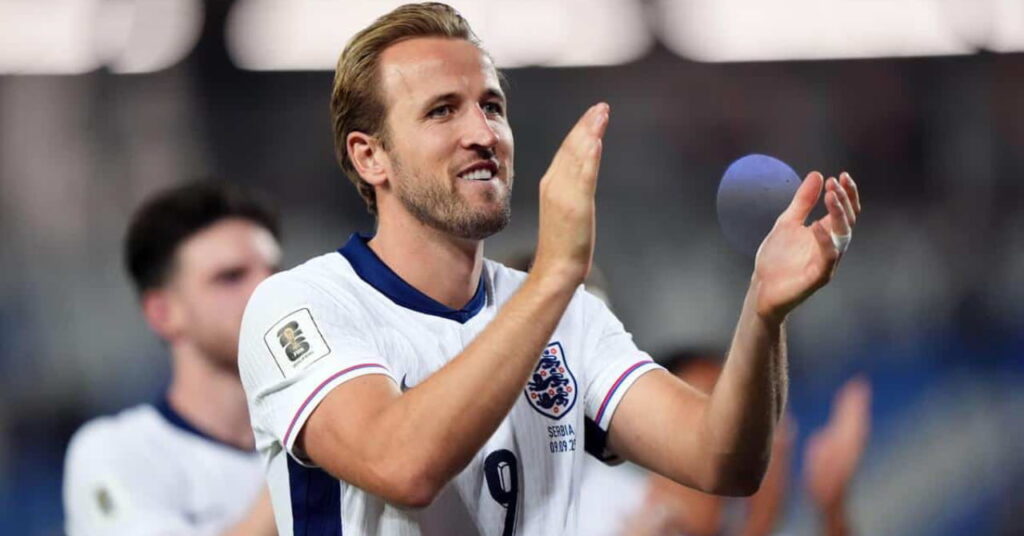
Why Kansas City? Situated in the heart of the Central region, Kansas City acts as the ultimate logistical springboard. It sits within a comfortable two-to-three-hour flight radius of almost every single host venue in the US, Mexico, and Canada, shielding the Three Lions from the brutal coast-to-coast travel fatigue facing other European seeds.
They are still travelling over 500 miles to Arlington for their opening game, mind…
Check out England’s schedule.
Western Region: Vancouver, Seattle, San Francisco (Bay Area), Los Angeles.
Central Region: Guadalajara, Mexico City, Monterrey, Houston, Dallas, Kansas City.
Eastern Region: Atlanta, Miami, Toronto, Boston, Philadelphia, New York/New Jersey.