Physical Address
304 North Cardinal St.
Dorchester Center, MA 02124
Physical Address
304 North Cardinal St.
Dorchester Center, MA 02124

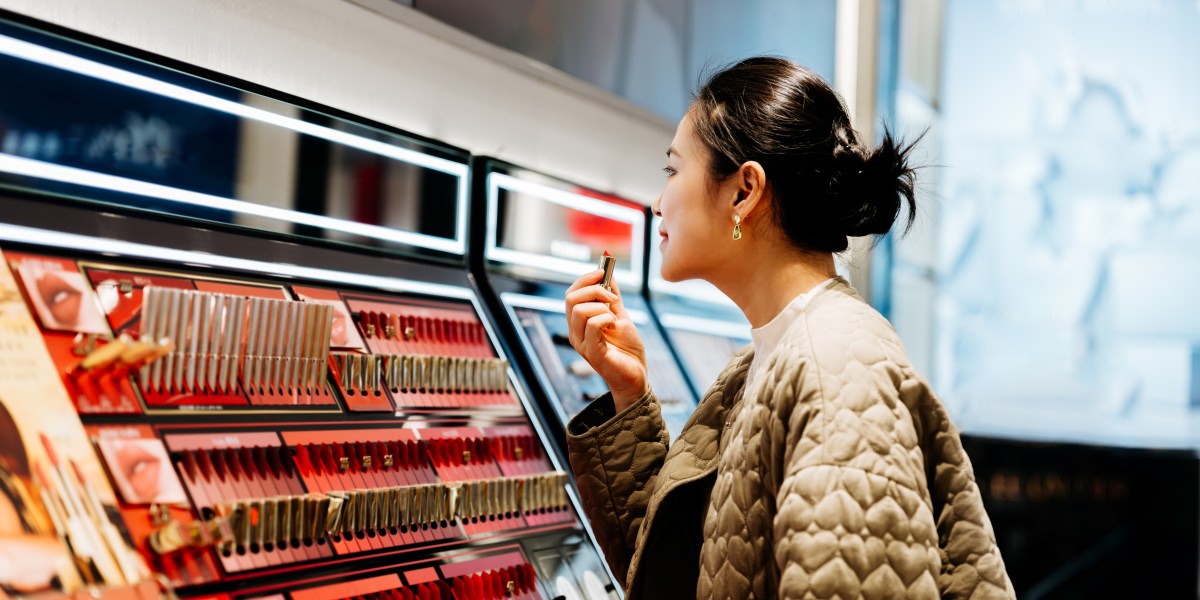
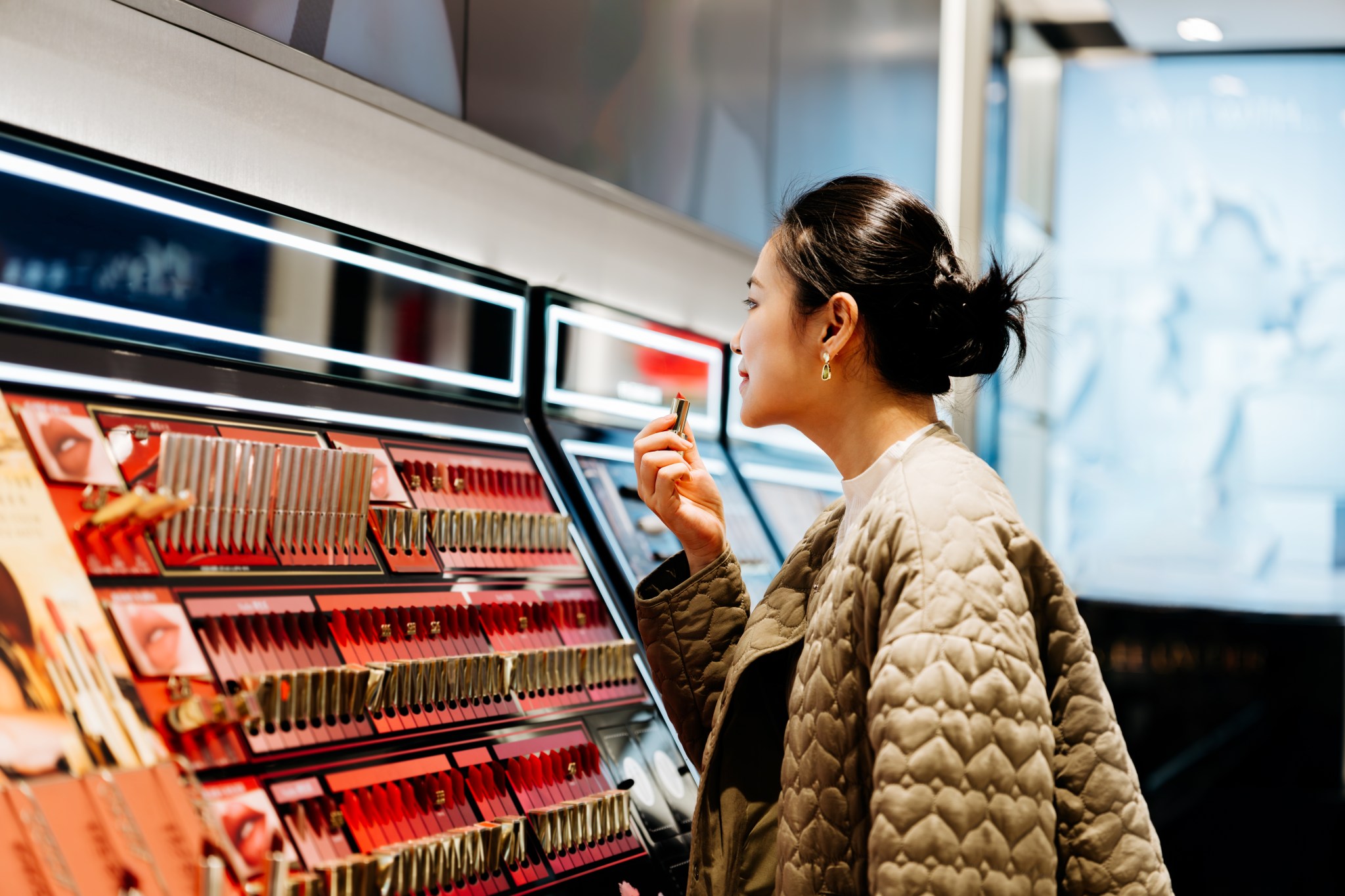
Following the immense popularity of Japanese and Korean beauty products, many Chinese cosmetic brands are now looking to go global. Their first stop? Southeast Asia.
Joy Group, the parent company behind C-beauty brands Judydoll and Joocyee, will open a store in Malaysia by the end of the year, after debuting its first overseas boutiques in Singapore last year.
“Southeast Asia has a huge consumer market, and people are generally very accepting of Chinese products,” Fanqi Kong, Joy Group’s general manager of international business, tells Fortune. Joy Group opened its Singapore office in 2024, which it designated as a regional hub to tap other Southeast Asian markets.
In 2025, the group’s retail sales exceeded $730 million, of which $87 million came from overseas sales. Vietnam is now Joy Group’s top overseas market.
Joy is part of a broader push by Chinese consumer brands to go global, a decision so common it’s even spawned a business buzzword, chuhai. Brutal competition at home has pushed Chinese brands like BYD, Geely, Huawei and Xiaomi to venture into overseas markets.
Chinese companies initially focused on Western markets like the U.S. and Europe in their global push. But many are now pivoting to Southeast Asia, where Chinese brands have found greater success, due to geographical proximity, cultural similarities, and generally young populations.
Between 2019 and 2024, Chinese color cosmetics and skincare brands in Southeast Asia reported compound annual growth rates of 70% and 115% respectively, according to data analytics firm Euromonitor.
“There was a perception among Chinese businesses that exporting their products to the most established markets is the best way to promote their brand,” says Dianna Chang, an associate professor at the Singapore University of Social Sciences (SUSS). “But now, they’re finding a lot of relevance in Southeast Asia—it’s closer to home and encompasses many emerging economies with young populations.”
Consumers previously wrote off Chinese goods as inferior, as Chinese manufacturers prioritized quick market entry over original designs. “There were jokes going around about how Chery QQ cars wouldn’t pass the crash test,” says Lewis Lim, an associate professor from Singapore’s Nanyang Technological University (NTU). “And when Xiaomi entered the smartphone market in 2014, it was seen as a functional, affordable option—you couldn’t expect too much from it, but it worked.”
Yet over time, Chinese workers picked up technical know-how by working for foreign multinationals. “Some of the most advanced cosmetics were manufactured in China in the past, so workers learned how to make them,” says Chang. “Skincare is built a lot on chemistry, so the foundational understanding of material science also matters.”
China has also poured large sums of money into research and development. In 2024, China invested $1.03 trillion into R&D, ahead of the U.S.’s $1.01 trillion, according to the Organisation for Economic Co-operation and Development.
“The one big difference between the Chinese expansion and previous efforts from Japanese and Korean brands is that they are backed by a government eager to increase its soft, cultural power across the world, especially starting with its Asian neighborhood,” says Seshan Ramaswami, a marketing expert from the Singapore Management University (SMU).
Chinese firms have also learned to better market their products internationally. “They’re learning from foreign brands about the importance of branding, storytelling and packaging,” says Chang. “For instance, some C-beauty brands have opted to focus more on Chinese heritage, and weave in elements of traditional Chinese medicine.”
The growing popularity of Chinese pop culture—including minute-long microdramas and TikTok reels of ‘cyberpunk’ cities like Chongqing—is also boosting the popularity of C-beauty brands. “After drinking boba tea and watching Chinese dramas, it’s natural for people to begin to accept and purchase C-beauty products,” Lim says.
C-beauty firms are broadening their product offerings to cater to a wider array of customers. Joy Group has expanded its shade ranges to include deeper skin tone options, and is rolling out sunscreen cushions and waterproof lip ink designed for Southeast Asia’s hot and humid climate.
“Within Southeast Asia, we’re experimenting with a self-operating model, and building our own local entities and teams,” says Kong. Apart from its few boutiques in Singapore, Joy Group sells its goods through e-commerce platforms like Shopee, Lazada and Tiktok Shop and in omnichannel retail stores like Sephora, Lazada, and Watsons.
C-beauty giants haven’t abandoned lucrative Western markets. Flower Knows, the viral fairy-themed C-beauty brand, entered the U.S. in 2024 via retail partnerships with Ulta Beauty and Urban Outfitters; Joy Group pushed into the European market last year, after acquiring Italian dermatological hair care brand Foltène. Many newer C-beauty brands, like Florasis, Perfect Diary and Catkin, also debuted with English names to boost their international appeal.
Yet whether C-beauty brands can effectively break into more culturally distinct markets, like the West and the Middle East, remains to be seen.
“It would be easier for ‘hard’ products like EVs, since the competitive advantage mainly lies in the strength of the technology,” Lim concludes, pointing to how BYD cars are already selling well globally. “But products like cosmetics have to be adapted to the biological needs of your skin, so it might be hard for C-beauty brands to break into other markets as easily.”