Physical Address
304 North Cardinal St.
Dorchester Center, MA 02124
Physical Address
304 North Cardinal St.
Dorchester Center, MA 02124

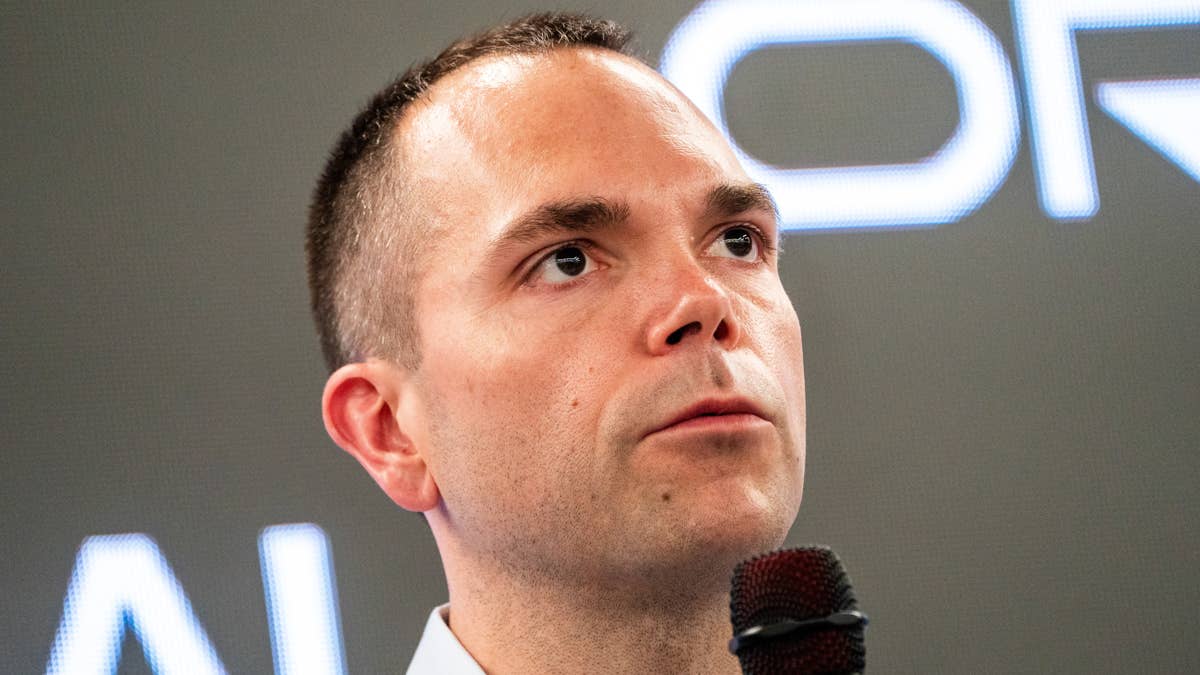
Shares of Oracle (ORCL) tumbled 8.53% on June 11 as investors are concerned about the company’s plans to raise more money to fund its AI buildout, overshadowing better-than-expected fiscal fourth-quarter results and a higher profit outlook announced a day earlier.
On June 10, the 49-year-old cloud and database software giant reported adjusted earnings of $2.03 per share, topping analysts’ estimates of $1.96 per share. Revenue rose 21% year over year to $19.18 billion, slightly ahead of the $19.10 billion expected by analysts.
Oracle maintained its fiscal 2027 revenue guidance of $90 billion and raised its adjusted earnings per share forecast to $8.05. Wall Street was expecting earnings of $8.01 per share and revenue of $88.9 billion, according to CNBC.
For the fiscal first quarter, Oracle forecast adjusted earnings of $1.72 to $1.76 per share and revenue growth of 27% to 29%. Analysts were expecting earnings of $1.68 per share and revenue of $19.06 billion, which implies about 28% growth.
Oracle’s growth story is raising concerns about funding and cash flow.
The company’s remaining performance obligations (RPO) soared 363% to $638 billion last quarter, topping the $595.67 billion average analyst estimate. RPO reflects future contracted revenue and is a strong indicator of growth momentum. Investors are worried about its conversion to actual revenue amid high spending.

Another major concern is Oracle’s cash levels and debt-raising. Oracle has been leaning on the debt market to fund its buildout, and investors are worried whether Oracle’s AI investments will deliver returns that justify the funding.
Oracle already raised $43 billion in debt financing and $5 billion in equity financing in fiscal 2026. The company said it expects to raise another $40 billion through debt and equity financing in fiscal 2027, including a previously announced $20 billion share sale.
Two months ago, Oracle laid off 30,000 employees.
Related: Goldman Sachs doubles down on stock market outlook for 2026
For the whole fiscal year 2026, Oracle’s free cash flow was negative $23.7 billion as it “continued to execute on investments to support the growth of its Cloud Infrastructure business,” the company said in a statement.
Wall Street expects Oracle’s heavy data center spending to push its cash flow negative in the coming years. The investments may not pay off until around 2030, according to Bloomberg data.
Despite the post-earnings selloff, Bank of America reiterated its buy rating and $240 price target on Oracle stock, according to a research note sent to TheStreet.