Physical Address
304 North Cardinal St.
Dorchester Center, MA 02124
Physical Address
304 North Cardinal St.
Dorchester Center, MA 02124

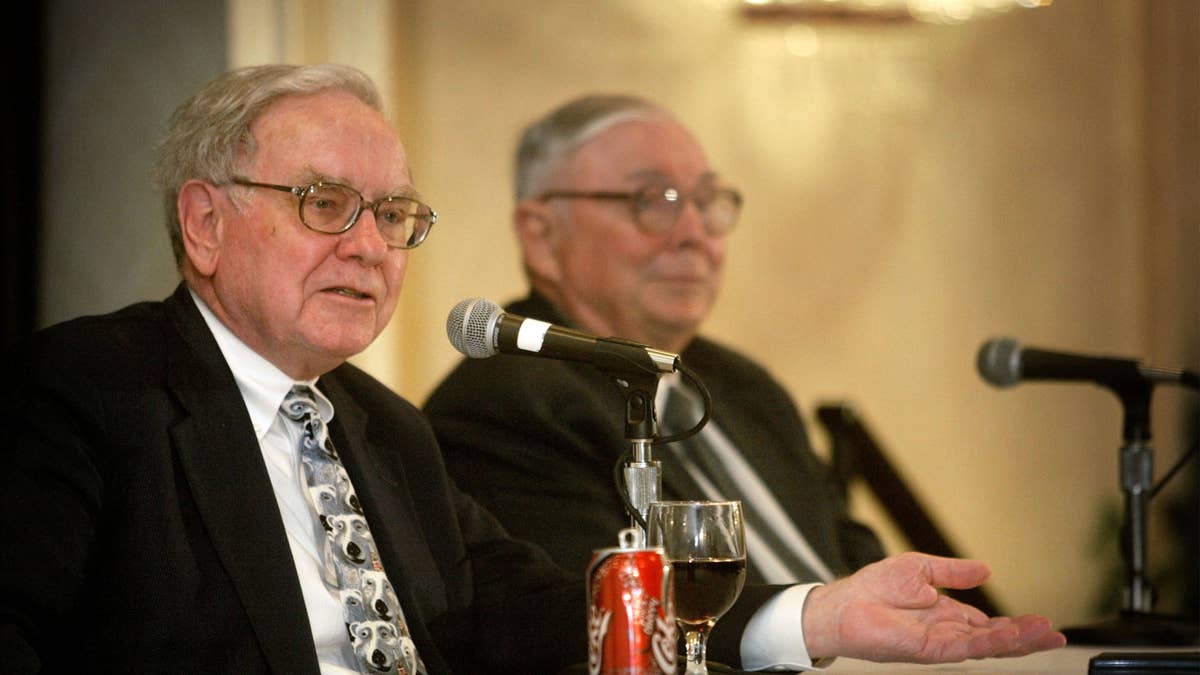
A lot has changed at Berkshire Hathaway in 2026.
Warren Buffettwho spent six decades turning the company into one of the most watched investment vehicles on the planet, stepped down as chief executive at the start of this year.
His chosen successor, Greg Abel, officially took the wheel in January.
Investors have been watching closely ever since. When Berkshire’s latest 13F filing landed, one name stood out immediately. Mastercard was gone.
According to data from StockCircle.com:
Berkshire’s relationship with Mastercard (MA) dates back to the first quarter of 2011, when it acquired 216,000 shares.
The early years were active. Berkshire bought more MA stock in Q3 of 2011, adding 283,000 shares.
It also added 170,000 more shares in Q1 of 2012 and followed that with a 137.8% increase the very next quarter, picking up another 235,000 shares.
By 2014, the position was growing fast. Berkshire added 900% more shares in Q1 of 2014, then layered on further increases in Q3 and Q4 of that year.
Berkshire sold a small slice in Q1 of 2015 and continued trimming in Q1 of 2016. After a long pause, it sold 7.5% of its position in Q2 of 2020 and then reduced its exposure again in late 2021.
The final move came in Q1 of 2026. Berkshire sold 3.99 million shares at an average closing price of $525.64, with prices ranging from $484.24 to $580.34. That sale wiped out the remaining position entirely.
Berkshire also exited its Visa stake in the same quarter.

Before its exit, Mastercard looked anything but troubled.
Mastercard CEO Michael Miebach painted a confident picture at the Bernstein Strategic Decisions Conference on May 28.
Consumer spending continued to grow through the first quarter of 2026 and into the first two weeks of May.
Miebach pointed to low unemployment, wage growth keeping pace with inflation, and solid equity markets as reasons to feel good about spending trends.
Value-added services now represent 40% of Mastercard’s revenue and are growing faster than the rest of the business.
The company is pushing hard into tokenization, artificial-intelligence-powered fraud detection, agentic commerce infrastructure, and stablecoin payments through its pending acquisition of BVNK.
It also went live in China with a domestic license in May 2024, giving it a rare foothold in the world’s second-largest economy.
During the Q1 earnings call, Miebach emphasized:
“Building on our strong foundation, we’re advancing agentic commerce with Mastercard Agent Pay and expanding our stablecoin solutions through the planned acquisition of BVNK. We’re well positioned to capture the next wave of digital payments growth and continue to support secure commerce around the world.”