Physical Address
304 North Cardinal St.
Dorchester Center, MA 02124
Physical Address
304 North Cardinal St.
Dorchester Center, MA 02124

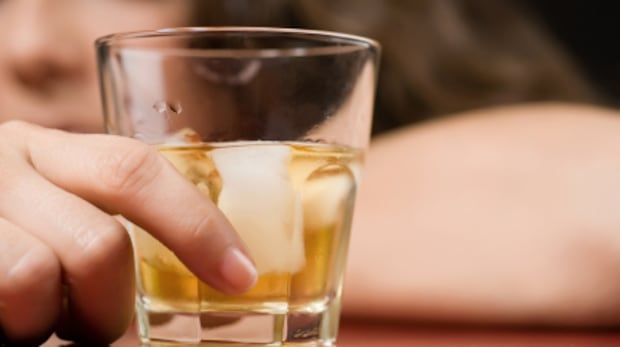
A study commissioned by former U.S. president Joe Biden’s administration to investigate alcohol-related health harms was released independently on Tuesday, after President Donald Trump’s administration decided not to feature the researchers’ findings in new dietary guidelines as it faced pushback from the alcohol industry and a congressional committee.
The findings of the study, in the Journal of Studies on Alcohol and Drugs, were in line with years of research that say health risks go up with just one drink a day and that no level of alcohol has a protective effect on mortality. Even levels considered “moderate” raise the risk of premature death and more than 200 diseases, including heart disease and cancer, researchers found.
The new study was one of two government reviews meant to help inform the new dietary guidelines. Released earlier this year, the guidelines advised consuming “less alcohol for better overall health.”
The authors of the independently released study say they didn’t provide detailed practical advice about the risks of drinking.
One of the officials involved in the study commissioned by Biden’s Democratic administration accused Trump’s Republican administration of “sidelining” the research — an allegation the Trump administration denies.

Dr. Constantine Karvellas talks about the increase in patients with liver complications since the COVID-19 pandemic began and the health risks associated with alcohol consumption.
Robert Vincent, a former official with the Substance Abuse and Mental Health Services Administration who led the years-long effort, made the accusations in an editorial published alongside the study.
Vincent was laid off last year as part of a government reduction in the workforce.
“The challenges confronting alcohol policy today are not rooted in scientific uncertainty,” Vincent wrote. “What remains contested is whether evidence will meaningfully inform policy when it conflicts with commercial interests.”
The dispute over the study underscored the increasingly tense relations between the medical and scientific community and the Trump administration, which has questioned or ignored long-standing science in its policymaking, fired a slew of veteran scientists from the federal workforce and cut scientific grants that proponents say help keep the U.S. at the forefront of medical innovation.
After the study’s researchers released a draft report last year, the alcohol industry mobilized against it, launching campaigns to discredit its work.
The House of Representatives oversight committee also criticized the study, releasing a report earlier this year that called it “fraught with bias” and accused the study’s authors of having predetermined conclusions based on their past research and affiliations.
Emily Hilliard, a spokesperson for the U.S. Department of Health and Human Services (HHS), denied any notion that the study wasn’t considered.
HHS and the U.S. Department of Agriculture “reviewed the study alongside the broader body of available scientific evidence and followed the established process for developing the 2025-2030 Dietary Guidelines for Americans,” she said. “The guidelines are informed by the totality of the scientific record, not any single report or analysis.”
Vincent told The Associated Press in an interview that the researchers were thoroughly vetted for conflicts and the findings were scientifically sound. He said that while he was in the Trump administration, he was “asked to kill the study” but did not.
HHS didn’t immediately respond to that claim.
The Trump administration earlier this year released new dietary guidelines that advised consuming “less alcohol for better overall health.” The researchers said they don’t dispute that advice but that their findings support a more detailed and forceful recommendation that adult drinkers consume one drink or fewer a day.
“I’m glad that they had a message that corresponds with our science, and that is that less is best,” said Dr. Timothy Naimi, director of the University of Victoria’s Canadian Institute for Substance Use Research and one of the study’s authors. “But giving people quantity information is necessary to make a truly informative guideline.”
The study differed from the other research commissioned by the U.S. government to help inform the dietary guidelines on the issue, which said moderate alcohol use was associated with a decreased risk of mortality from all causes but also an increased risk of some diseases.

Priscilla Martinez-Matyszczyk, one of the authors of the new study and a deputy scientific director at the Public Health Institute’s Alcohol Research Group, said their study didn’t look at mortality from all causes but instead examined mortality specifically attributed to alcohol to avoid confounding factors.
She also addressed an issue raised by Dr. Mehmet Oz, administrator of the U.S. Centers for Medicare and Medicaid Services, in his explanations of the new guidelines: that drinking is “a social lubricant that brings people together” and that even though not drinking is preferred, being social has health benefits.
“I don’t know of any studies that have teased out the social effect from the health effect,” Martinez-Matyszczyk said.
The new findings are “in line with the latest science that basically shows less is better when it comes to health,” Naimi said.
For example, a 2019 study in The Lancet found that moderate drinking slightly raised the risk of stroke and high blood pressure and offered no protective effects on health.
Moderate drinking was once thought to have benefits for the heart, but better research methods have thrown cold water on that idea. Older studies compared groups of people by how much they drink instead of randomly assigning people to drink or not, so they couldn’t prove cause and effect. When researchers adjusted for things like education levels, income and health care access, the benefits tended to disappear.
About half of Americans age 12 or older had a drink in the past month, researchers said, making it the most commonly used addictive substance in the U.S. One drink is the equivalent of about one 12-ounce can of beer, a five-ounce glass of wine or a shot of liquor.