Physical Address
304 North Cardinal St.
Dorchester Center, MA 02124
Physical Address
304 North Cardinal St.
Dorchester Center, MA 02124

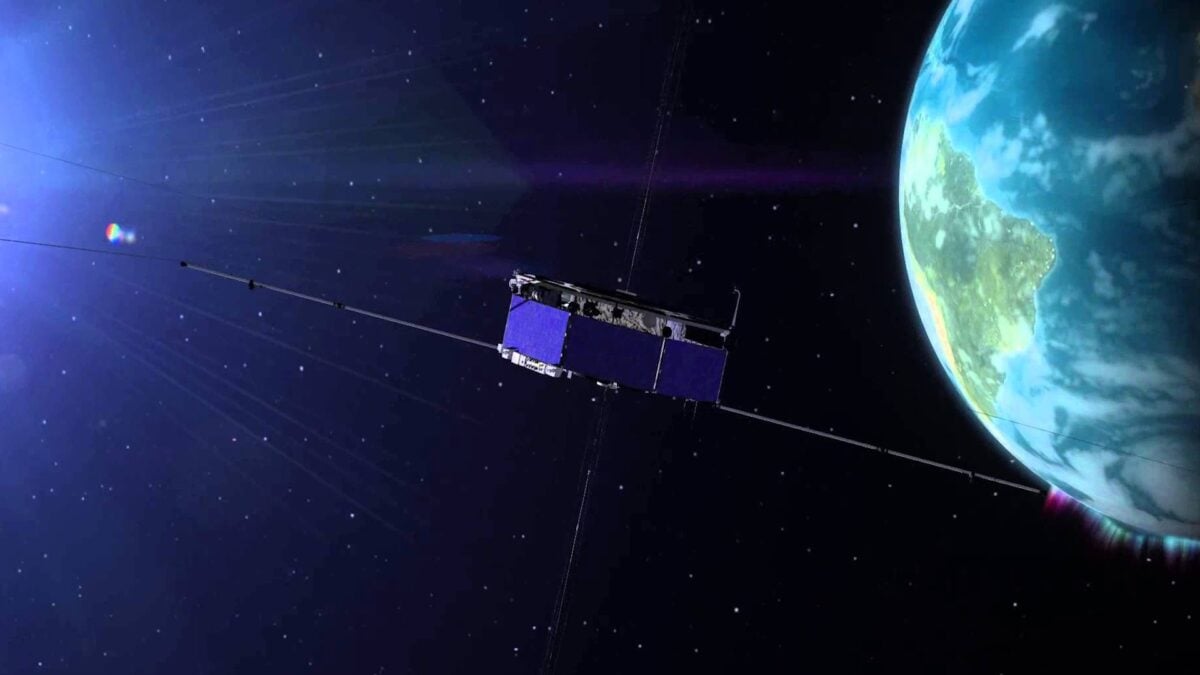
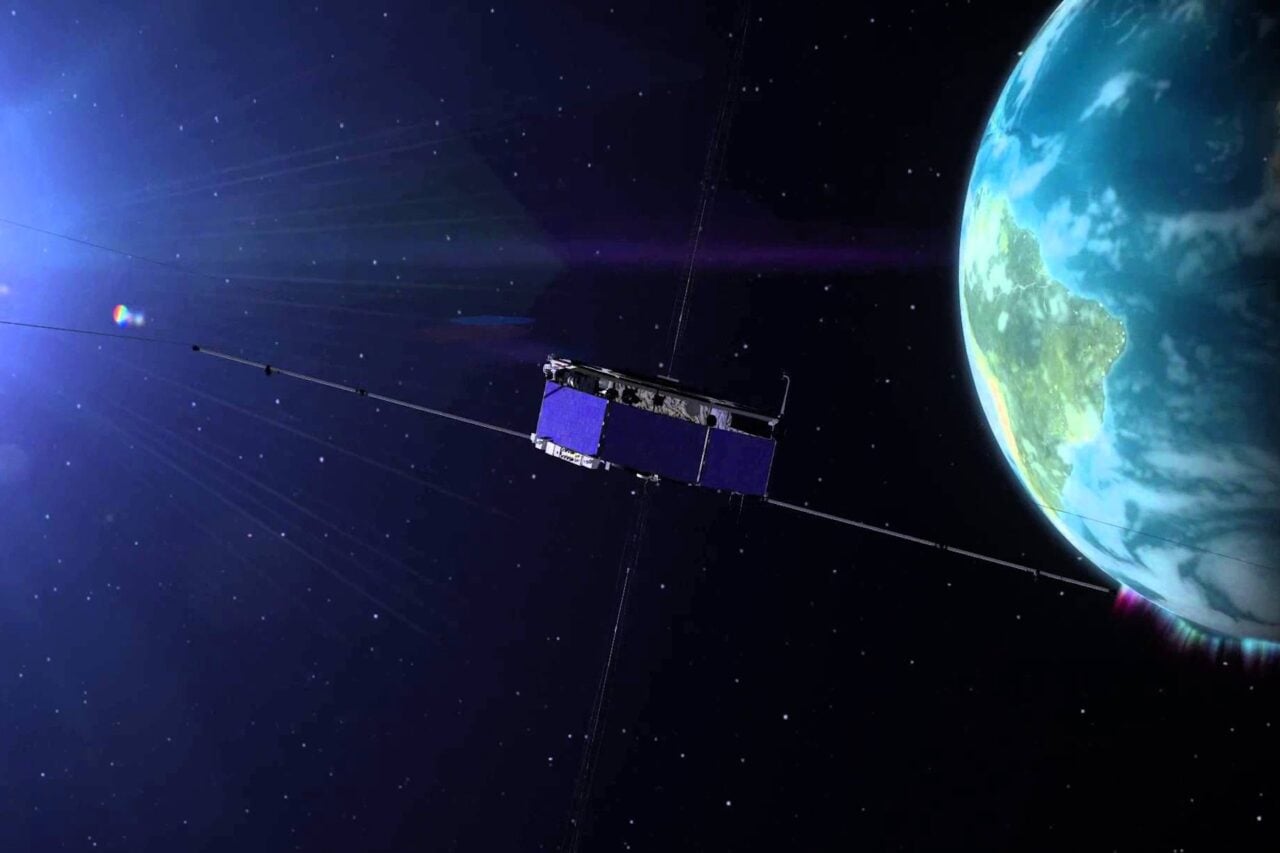
While sifting through data collected by GPS monitoring stations, a team of researchers noticed a mysterious pattern. Over the past seven years, the team documented 75 days on which there was a sudden drop in signal strength that occurred simultaneously across Europe. A thorough investigation traced the disruptions to a small constellation of Russian satellites, which may be jamming GPS signals on purpose.
A recent investigation led by Todd Humphreys from the University of Texas, Austin, found that the Russian satellite Kosmos 2546 may have been used to jam GPS signals on a continental scale as part of scheduled operations. While the purpose of the signal interference is not yet clear, the findings could have bigger implications for electronic warfare in global conflicts. The findings have not yet undergone peer review, but the researchers have submitted the paper for review to NAVIGATION, the journal of the Institute of Navigation.
The team behind the paper examined publicly available data collected by ground-based tracking stations of global navigation satellite systems (GNSS). From January 2019 to April 2026, the researchers found 75 instances of similar wide-area interference.
The receivers all noted a sudden drop in signal at the same time. The interference events lasted less than 10 seconds each and covered areas from Spain and Poland all the way to Canada. This indicated that the signal jamming could not have been caused by a ground-based system but rather must have been coming from space.
The short bursts also occurred within a narrow slice of frequencies centered on 1,577.5 megahertz, matching the part of the spectrum used by the GPS satellite constellation and its European counterpart, GNSS.
The sudden drop in signal also took place on Tuesdays, Wednesdays, and Thursdays during business hours, suggesting that this was part of a scheduled operation rather than unintentional interference.
Using the data they had gathered, the researchers calculated that the source must be located at least 745 miles (1,200 kilometers) above Earth’s surface. They then began looking into which satellites at that altitude were above the affected areas during the periods of interference.
The team narrowed it down to a handful of suspected satellites. After refining their search, the orbit of just one satellite aligned perfectly with the continental-wide jamming events. Kosmos 2546 is part of a constellation of Russian military early-warning satellites used to detect ballistic missile launches. At least one of the satellites from the constellation sat above the horizon during each recorded signal interference, according to the paper.
The paper suggests that the signal interference events were tests while keeping the system itself from being detected. One clue is that the signal was slightly offset from the GPS frequency. “If you’re going to test this capability then you test it in the neighborhood of the signal you would intend to jam, but not right on that signal,” Humphreys told Veritasium during an interview. “And you test it only briefly just to make sure everything still works.”
These tests, though mostly harmless for now, could have much more damaging implications. “In the eventual future when there is hot conflict they go ahead and tune their transmitter down to the GPS band, but it’s much more damaging now that it lies right on that band,” Humphreys added.
Another hint that the GPS jamming is part of targeted tests is that the researchers detected a second interference burst aimed at a lower frequency, which happens to overlap with signals from China’s BeiDou navigation system.
“I can no longer say this is accidental with confidence,” Humphreys said during the interview. “I’m leaning toward this being a periodic test of a capability that would be very damaging if it was deployed in anger.”