Physical Address
304 North Cardinal St.
Dorchester Center, MA 02124
Physical Address
304 North Cardinal St.
Dorchester Center, MA 02124
If you’re in Houston, your Uber could pull up without a driver as soon as next year.
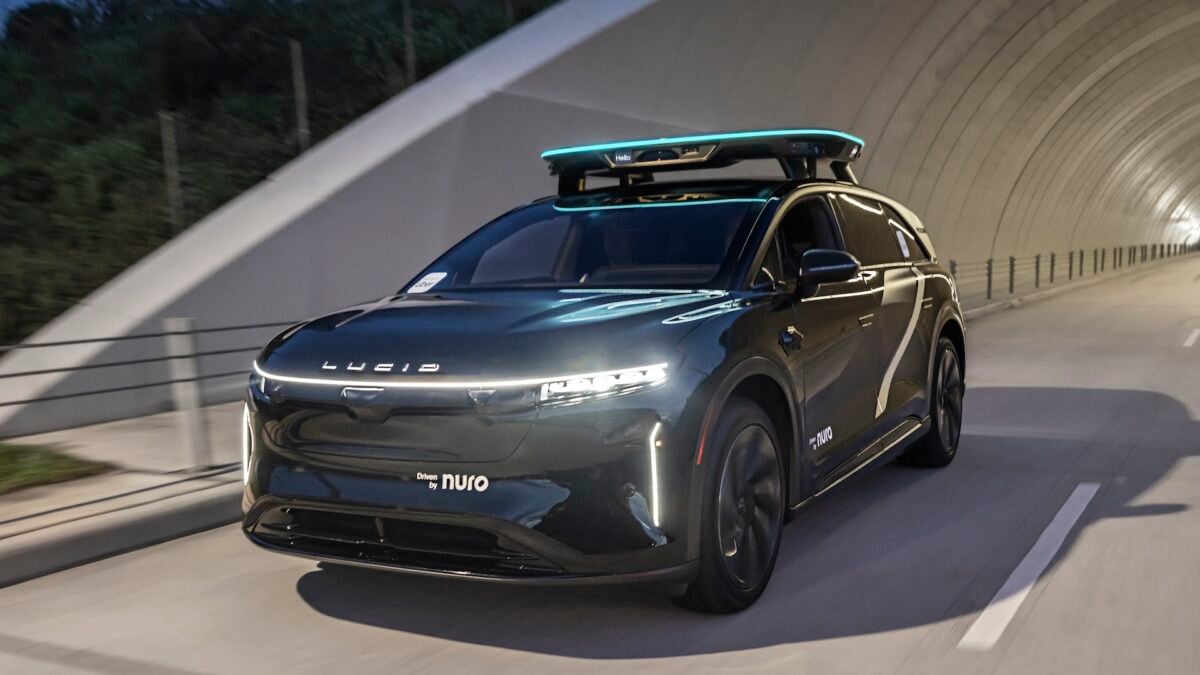
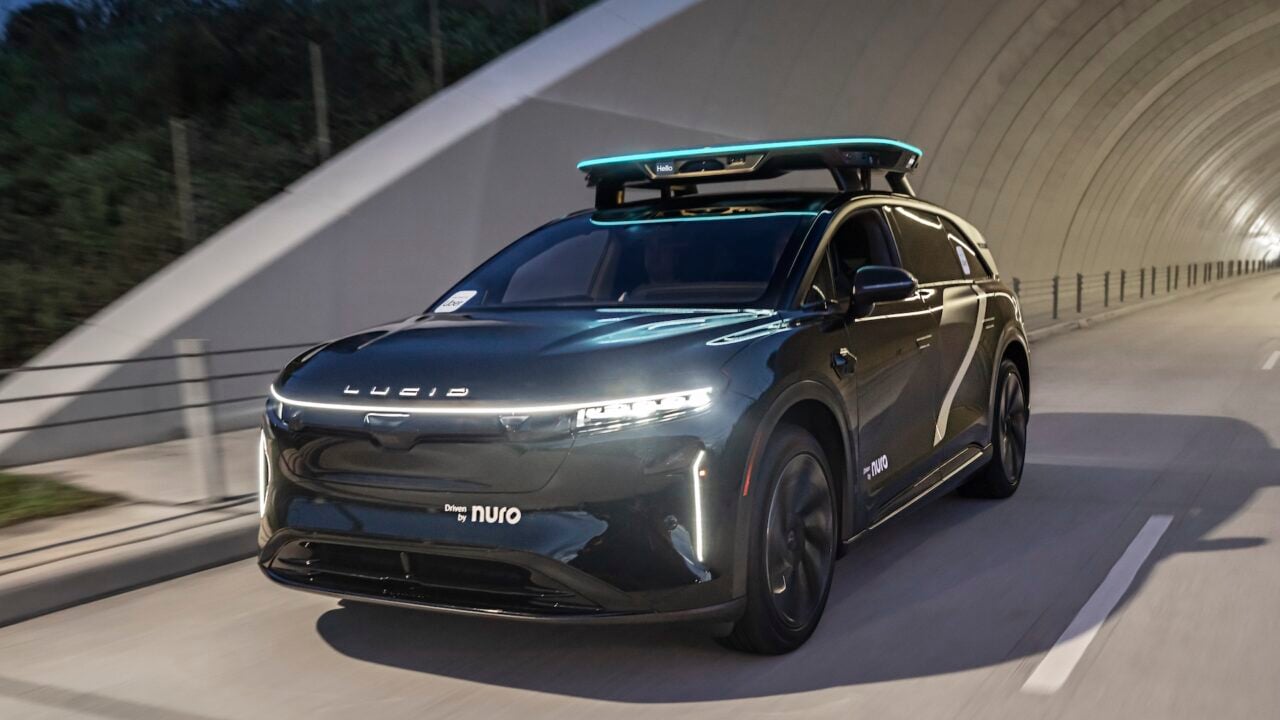
Uber announced today that its robotaxi service with luxury EV maker Lucid and autonomous driving startup Nuro is coming to Houston.
The city will be the service’s second market after it launches in the San Francisco Bay Area later this year. Uber said the service is expected to launch in the Texas city by mid-2027, with plans to expand to dozens of additional markets over the coming years.
“Houston marks an important next step in our partnership with Lucid and Nuro as we expand autonomous mobility to more riders throughout the world,” said Sarfraz Maredia, Global Head of Autonomous Mobility & Delivery at Uber, in a press release.
Uber first announced its partnership with Lucid and Nuro last summer. Under that original agreement, the company planned to deploy a fleet of at least 20,000 Lucid Gravity SUVs equipped with Nuro’s self-driving technology over the next six years. As part of the deal, Uber said it would invest hundreds of millions of dollars into both Lucid and Nuro.
In April, the companies expanded that partnership. Uber said it would invest another $200 million in Lucid, bringing its total investment in the EV maker to $500 million. The planned fleet also grew to at least 35,000 vehicles. The company said the robotaxi service will use the Lucid Gravity, as well as future Lucid midsize vehicles with Nuro’s Level 4 autonomy platform.
The Lucid Gravity robotaxis will be equipped with high-resolution cameras, solid-state lidar sensors, and radars, along with a roof-mounted “halo” designed to maximize sensor visibility. That halo will also include LEDs to help riders find the right car, display their initials, and show status updates. Uber said that, pending final validation, production on the robotaxi is expected to start later this year at Lucid’s Arizona factory.
In today’s announcement, Uber said it already has a robotaxi engineering fleet of nearly 100 vehicles across California and Texas. The companies are validating the technology through simulation, closed-course testing, and supervised public-road testing. Select employees of all three companies have also been test riding the cars in the San Francisco area.
Uber also announced that it has secured a 50,000-square-foot depot facility and charging pit stop in Houston. The facilities will support charging, maintenance, repairs, cleaning, and other day-to-day fleet operations. The Houston depot will have access to more than four megawatts of power and will include 40 fast chargers and 15 maintenance bays, with plans to break ground in early 2027.
This isn’t Uber’s only bet on driverless tech.
The company also announced today another partnership with Stellantis and U.K.-based autonomous driving startup Wayve to explore the development and deployment of Level 4 “robotaxis at a global scale.”
That comes on top of Uber’s other partnership with EV maker Rivian to roll out up to 50,000 robotaxis by 2031.
Uber is working to catch up with other robotaxi services like Alphabet’s Waymo and Amazon’s Zoox, which have already hit the road. Waymo is currently the industry leader, with a fleet of about 3,000 vehicles serving rides in 11 metro areas, including San Francisco, Los Angeles, Miami, and Houston. Uber already offers Waymo rides on its app in Austin and Atlanta.
Then there’s Tesla, whose Robotaxi service is still making slow moves with a very modest fleet of its own.