Physical Address
304 North Cardinal St.
Dorchester Center, MA 02124
Physical Address
304 North Cardinal St.
Dorchester Center, MA 02124
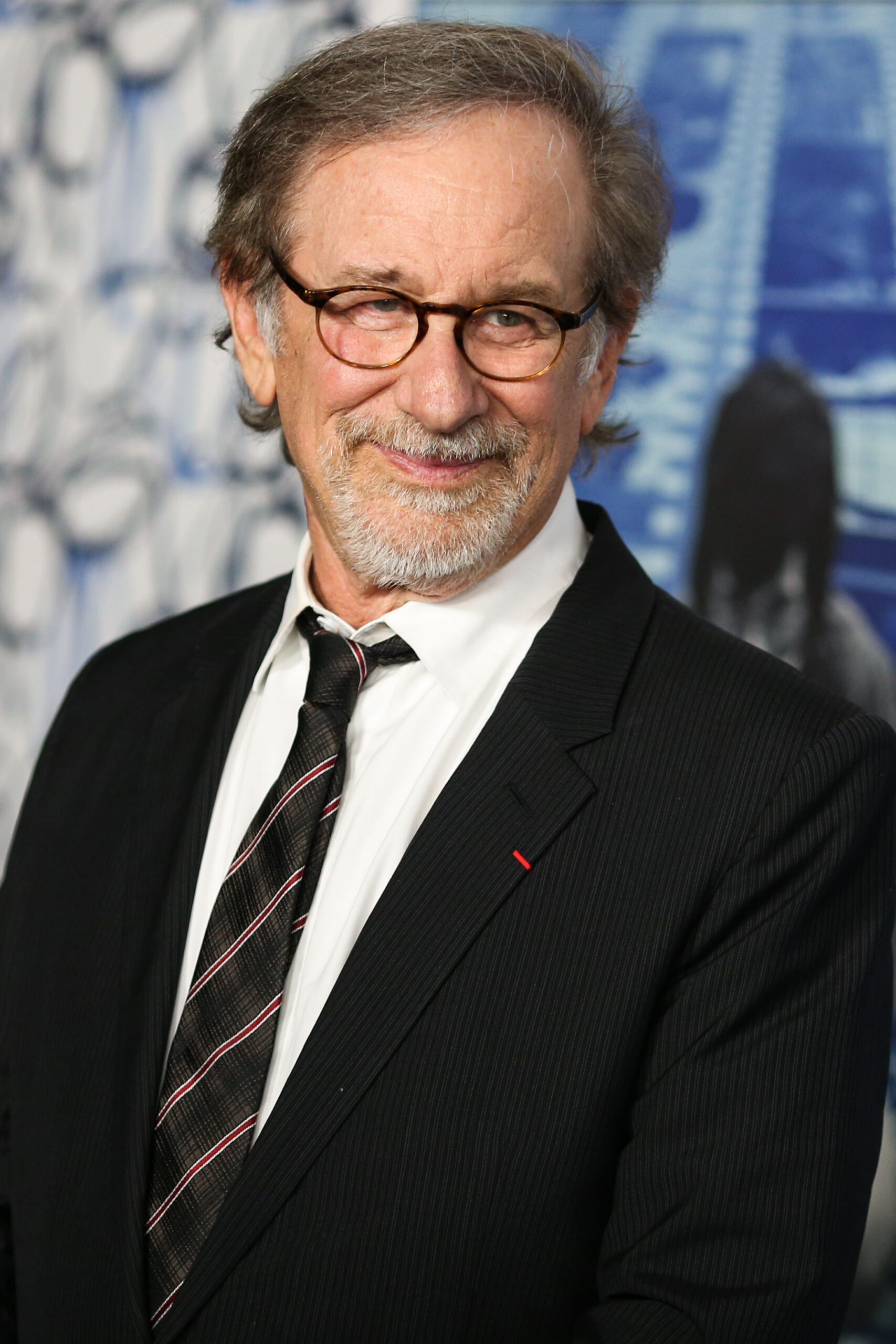
Steven Spielberg’s latest UFO blockbuster is generating debate far beyond extraterrestrials and government secrets.
“Disclosure Day,” which has already attracted more than two million moviegoers, centers on a world-changing release of classified UFO files and the fallout that follows.
However, while the film explores whether humanity is alone in the universe, it also tackles a more controversial question: what happens to religious belief if proof of alien life finally arrives?
That premise has sparked renewed discussion among Christians, UFO researchers, and disclosure advocates alike.
Spoiler alert: This article contains major plot details and ending revelations from Steven Spielberg’s “Disclosure Day.”

Unlike many alien-themed films that focus primarily on science or invasion scenarios, Steven Spielberg’s “Disclosure Day” directly confronts the question of how the confirmation of extraterrestrial life could affect Christianity.
The story unfolds after the Donald Trump administration releases previously classified UFO files containing new evidence that humanity is not alone.
One of the movie’s central figures is Jane Blankenship, a former nun played by Eve Hewson, who fears the revelation could fundamentally challenge her understanding of faith.
Blankenship worries that the disclosure might force believers to reconsider everything they know about God, Jesus, and the Bible.
According to UFO investigator Chris Ramsay, the film touches on a genuine fear shared by many Christians who believe confirmation of alien life could raise difficult questions about creation, humanity’s role in the universe, and God’s relationship with other intelligent beings.
Blankenship’s struggle becomes one of the film’s emotional anchors. She is the girlfriend of cybersecurity whistleblower Dr. Daniel Kellner, played by Josh O’Connor, who joins efforts to expose decades of hidden evidence about extraterrestrial life.
After the couple become targets of the mysterious WARDEX corporation for leaking classified information, Blankenship seeks refuge at her former convent. There, she reconnects with Sister Maura, played by Elizabeth Marvel.
Rather than reinforcing Blankenship’s fears, Sister Maura encourages her to adopt a broader perspective about faith and the universe. As the story progresses, the main character begins to reconsider her assumptions.
Instead of viewing extraterrestrial life as a threat to religion, she ultimately concludes that a vast universe filled with life could strengthen belief in a creator rather than weaken it.
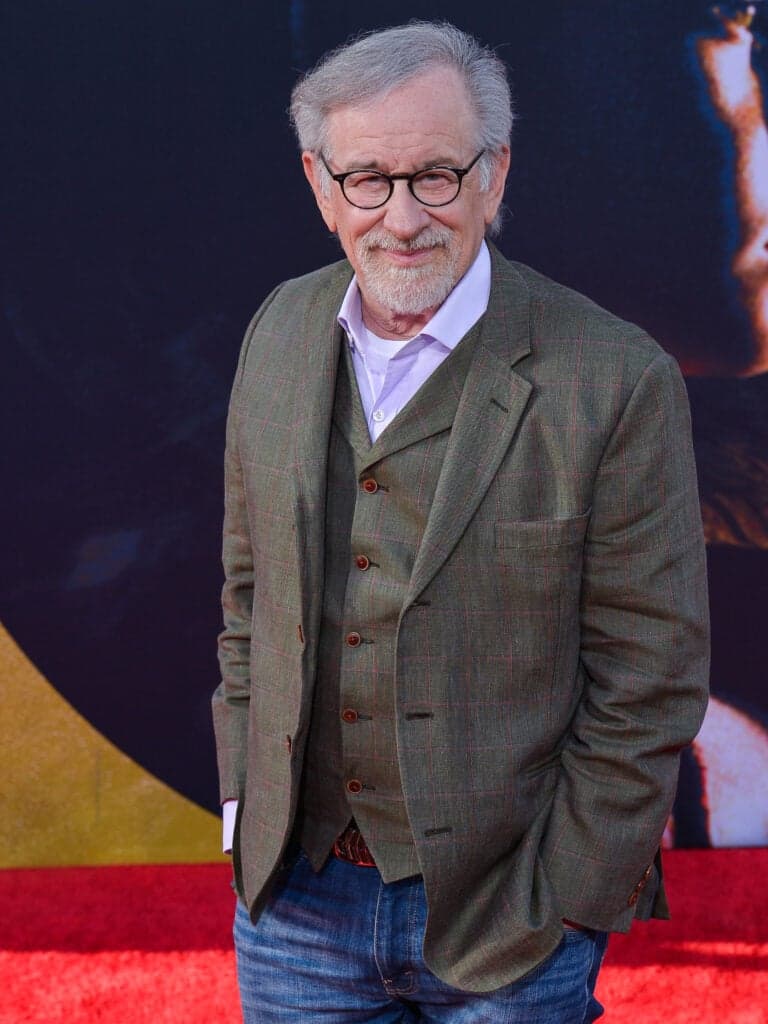
Ramsay praised Steven Spielberg for tackling a subject many disclosure advocates have discussed for years.
“If you’re faced with this brand new truth… that here are other beings, it puts into question a lot of the things that people may have read in the Bible,” he told the Daily Mail.
The issue has gained attention from politicians and commentators alike. Some have suggested that concerns about religious disruption are among the reasons governments have been reluctant to fully release UFO information.
Ramsay believes Spielberg intentionally included the faith-based subplot because many Americans could view disclosure as an existential challenge.
“He obviously understands that a vast majority of the American population, specifically being Christians, might see disclosure as this existential sort of problem that they have to inevitably face,” Ramsay revealed.
The researcher argued that the filmmaker’s message was ultimately one of reassurance rather than conflict.
“I think that was Spielberg’s way of softening the blow,” Ramsay continued, adding, “Just because there might be life out there, or even visiting us, doesn’t mean God doesn’t exist. He would have created them too, right?”

Beyond religion, Ramsay was impressed by the sheer scope of UFO topics covered in “Disclosure Day.” “I think it was an absolutely Herculean task which was set before him,” he said.
The researcher noted that Steven Spielberg incorporated ideas spanning nearly 80 years of UFO history, including crash retrieval claims, alien contact reports, psychic phenomena, remote viewing, and telepathy.
Remote viewing, which gained notoriety through the Cold War-era Stargate program, is also referenced in the film. Ramsay appreciated that Spielberg acknowledged government interest in psychic research, even if the abilities were dramatized for Hollywood audiences.
The film also explores the world of UFO experiencers, individuals who claim direct encounters with non-human intelligence.
Ramsay pointed to scenes involving unusual animals and alleged psychic aftereffects as examples of concepts frequently discussed within UFO communities.
One sequence in particular stood out to Ramsay. The scene follows Emily Blunt’s character, Margaret Fairchild, as she trails a series of animals through a snowy forest toward what appears to be a comforting home.
As she gets closer, the illusion suddenly vanishes, revealing a sterile white room where a child lies on a floating metallic slab under the watch of a gray alien.
“When that transition happened, I got the chills through my whole body,” Ramsay said, further noting, “I thought that they landed that was very, very accurate [to reports].”
He also pointed out Fairchild’s sudden psychic abilities after her encounter. She begins speaking Russian, appears capable of reading minds, and experiences episodes resembling clairvoyance.
“That’s something that’s actually been documented quite extensively with experiencers,” Ramsay told the Daily Mail.
Although he questioned Spielberg’s portrayal of extraterrestrials communicating through clicking sounds rather than telepathy, Ramsay left the theater impressed.
The film concludes with media clips featuring unexplained sightings and conspiracy theories, leaving him wishing the 79-year-old had gone one step further.
“How amazing of an opportunity would that have been for disclosure? For people gathered in the theater, eating popcorn and being told… this movie features footage from a real, live, non-human crash retrieval. For me, that would have been disclosure – and in the most American way,” he said.