Physical Address
304 North Cardinal St.
Dorchester Center, MA 02124
Physical Address
304 North Cardinal St.
Dorchester Center, MA 02124

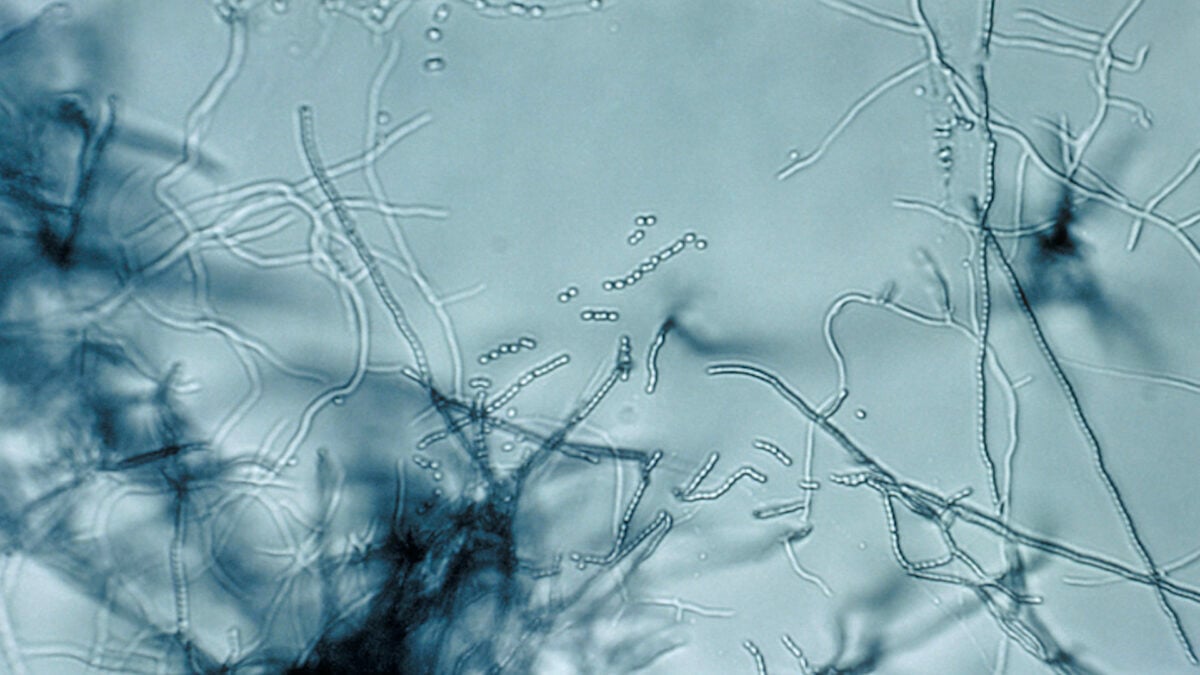
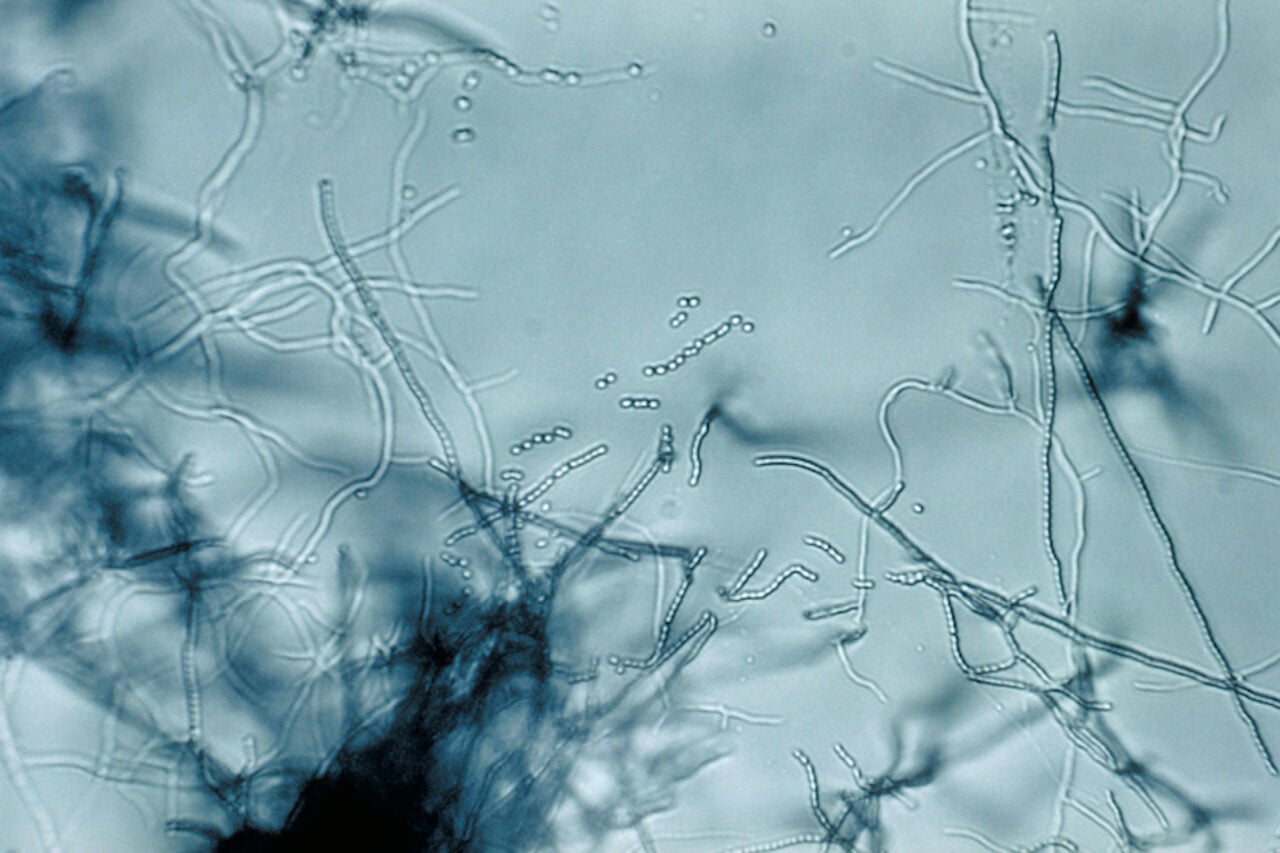
Researchers have worried for decades that all the “low-hanging fruit” for new antibiotics have already been taken, leaving drug developers with the unenviable task of clawing and scraping for any incremental wins against a host of increasingly antibiotic-resistant bacteria. But they just found something new and promising that’s always been here, just squirming in the dirt.
Biochemists and pharmaceutical scientists collaborating from the U.S., Canada, and Germany have discovered a new and naturally made antibiotic, manikomycin, produced by the same strangely aromatic soil bacteria that gave modern medicine the antibiotic oxytetracycline in the 1950s. Thus far, it’s proven effective at killing at least one notably antibiotic-resistant form of pneumonia (Klebsiella pneumoniae)—and it opens up an entirely new mechanism by which these drugs can fight bacterial infections.
That’s what really caught the researchers’ attention: how manikomycin works. The antibiotic binds to ribosomes inside the infecting bacteria, interfering with their ability to make proteins and blocking important molecules from leaving these vital cellular organelles.
“The ribosome is the target of about one third of all antibiotics prescribed currently,” study author Dmitrii Travin said in a statement put out by the University of Illinois Chicago (UIC), where he teaches on the pharmaceutical applications of genomics.
“This new antibiotic is amazing because it targets a site of the ribosome that has never been targeted by any other molecule before,” Travin said.
Technically, manikomycin is a peptide, a category of (by now) almost comically trendy chains of two or more amino acids that can often act as hormones, immunity boosters, neurotransmitters, or other kinds of messenger molecules inside the body. Specifically, it’s what’s known as a “cationic antimicrobial peptide,” a natural immune system player made by mammals, amphibians, insects, and—most importantly for our purposes here—the soil-dwelling bacterium Streptomyces rimosus.
Researchers working with McMaster University’s antibiotics discovery center screened material from 255 bacterial strains housed in the school’s Wright Actinomycetes Collection (WAC), hunting for rare or overlooked natural antibiotics produced by bacteria themselves. Life’s tough in the dirt for S. rimosusplease understand, so producing antibiotics that help it kill its rivals has been essential to its survival.
The UIC and McMaster teams tested manikomycin against a range of microbes and found it was especially effective against E. coli and antibiotic-resistant Klebsiella pneumoniae. Roughly three or four of these E. coli bacteria survived to pass on genetic resistance per every ten billion subjected to manikomycin, according to their new study, published this month in the journal Nature. The K. pneumoniae superbug did a little better—about one in every hundred million survived.
The researchers suspect that the sheer novelty of how manikomycin messes with these microbes’ ribosomes leaves them struggling to develop a new line of defense.
“Bacteria need to jump through hoops to find resistance,” as antibiotics specialist Alexander Mankin, Travin’s colleague at UIC’s Retzky College of Pharmacy, put it in a statement.
Medicinal chemist Derek Lowe, a career pharmaceutical industry researcher who blogs about drug discoveries for the journal Science, described manikomycin as a “really good example” of an overlooked compound ripe for further investigation. But the peptide itself, he noted in his independent commentary, “is not going to be a wonder drug.”
Manikomycin works against “select species” of bacteria, Lowe wrote, but not all—failing against most so-called Gram-positives, for example, a category of bacteria that includes staph infections. Nevertheless, he marvelled at the discovery of a compound whose bacteria-fighting mechanism, he said, “has never been seen before in such an antibiotic.”
Mankin, Travin, and their coauthors acknowledge as much in their study while also identifying another hurdle between their findings and an actual drug that doctors might one day prescribe. Manikomycin, they noted, appears to metabolize quickly in the body.
“This antibiotic does not hang around long enough in the bloodstream to efficiently kill bacteria in animals or humans,” according to Mankin, “so there are several things about this antibiotic that need to be improved before it can become a clinically used medicine.”