Physical Address
304 North Cardinal St.
Dorchester Center, MA 02124
Physical Address
304 North Cardinal St.
Dorchester Center, MA 02124
By Chris Snellgrove
| Published

Most actors relish the challenge of playing a villain, the kind that audiences absolutely love to hate. However, some performers do their job a little too well and become something else: the kind of villain that makes audiences say, “wait, I can fix him.” A great example of this is Loki, a one-note Thor villain that Tom Hiddleston transformed into the most charismatic baddie of the Marvel Cinematic Universe. Audiences loved him so much that he just kept coming back, first as the Big Bad of The Avengers and later as big brother Thor’s fiercest frenemy in Thor: Ragnarok.
Heck, Hiddleston’s Loki was so popular that he transcended death: the character was killed off in Avengers: Infinity War and then resurrected in Avengers: Endgame before headlining his own TV series on Disney+. In tracing Loki’s slow arc from supervillain to reluctant hero, many Marvel fans have compared this bad guy to Q, the godlike chaos agent of Star Trek: The Next Generation. Like Loki, Q had his own slow-burning transformation from the ultimate villain to the most unexpected hero. In an ironic twist, however, one of Trek’s best writers resisted humanizing Q because she wanted him to be more like the nefarious Loki of Norse mythology.
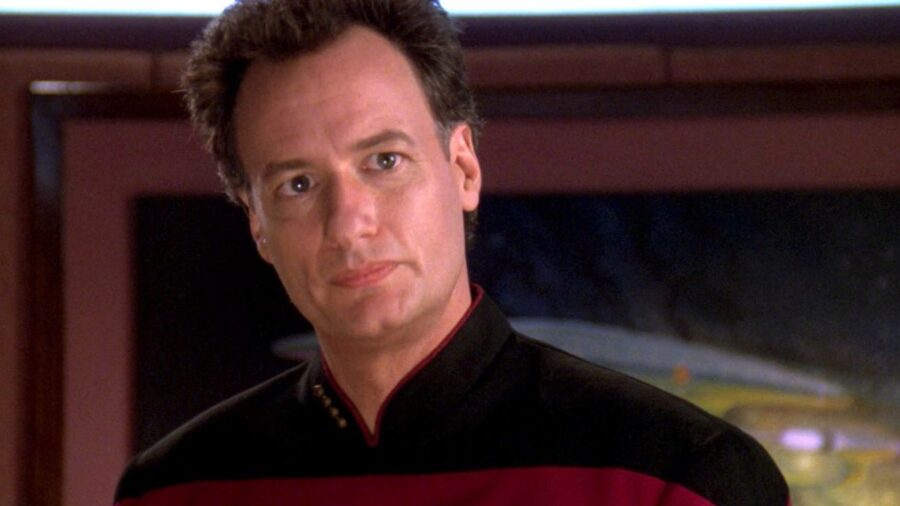
Originally, Q was created as a matter of convenience. When Star Trek creator Gene Roddenberry needed to stretch the first episode of The Next Generation into a two-parter, he created Q, a godlike alien that could easily overpower the entire Enterprise crew with his fantastic powers. Q was very important to Roddenberry: not only did he name the character after a fan, but he ignored the objections of former Original Series writers who insisted this “new” villain was just a reskinned Trelane, the bad guy who clashed swords with Captain Kirk in “The Squire of Gothos.”
Since he is a cosmic trickster figure, fans have compared Q to Loki (the mythic Norse figure later adapted into a Marvel comics villain) from the very beginning. Later, though, things would come full circle. By the time Loki became a major player in the MCU, fans kept comparing him to Q!
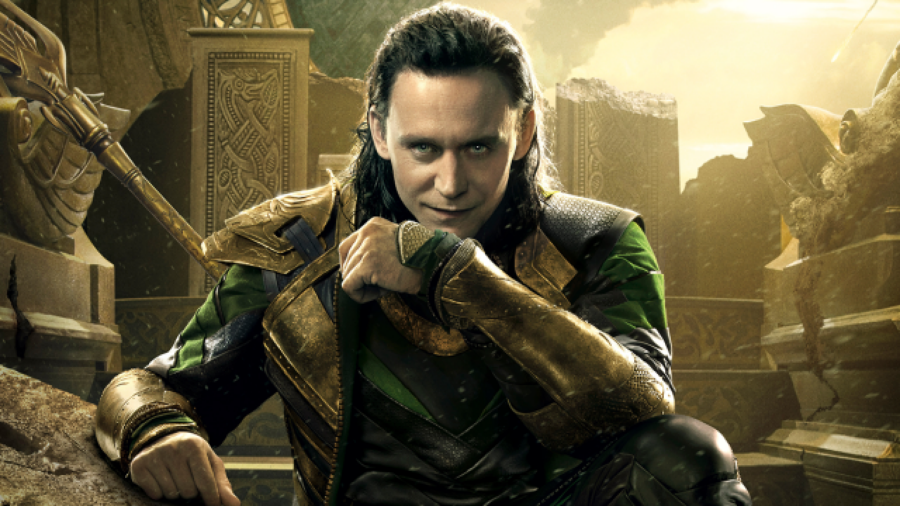
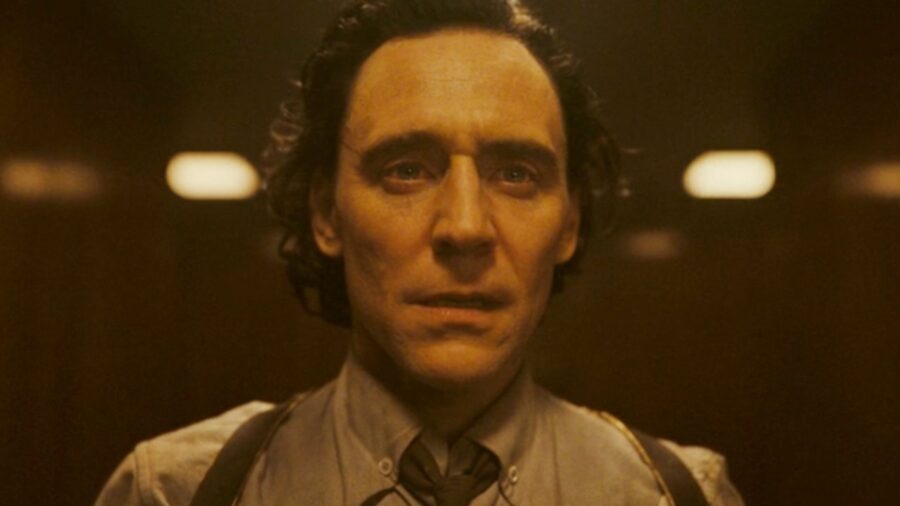
Loki became a major player in the Marvel Cinematic Universe. He was originally written as a standard-issue villain in the first Thor movie, but Loki actor Tom Hiddleston added a remarkable amount of nuance and charisma to the role. Correspondingly, he served as the headline villain in The Avengers and then a reluctant hero in Thor: The Dark World and Thor: Ragnarok. Fans were sad to see him killed by Thanos in Avengers: Infinity Warbut a version of him escaped the timestream in Avengers: Endgame. After that, Loki had his own TV series that chronicled his transformation from cosmic trickster to full-blown hero.
Once Hiddleston’s Loki became a franchise mainstay, MCU fans began comparing him to Q. To be clear, nobody involved with Marvel has ever confirmed that their version of Loki was inspired by this iconic Star Trek villain. Why the constant comparisons? Both characters are godlike tricksters whose chief pleasure in life is messing with mortals. Each has traveled the cosmos and traveled to alternate realities. Finally, each had an unexpected transformation from villain to hero. Loki went from trying to rule humanity to saving humanity in every possible timeline. In “Deja Q,” Q began to soften, eventually becoming a character who would help save all of humanity in (wait for it) multiple timelines!
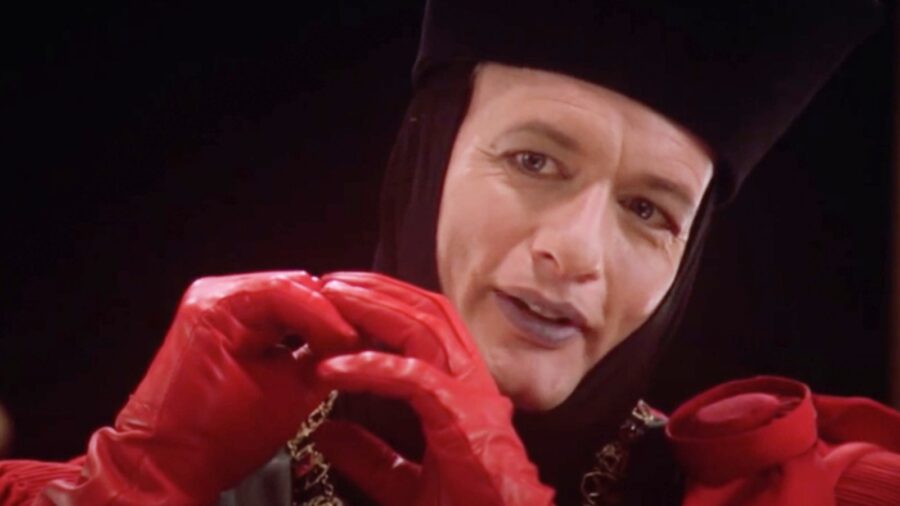
Weirdly enough, this roller coaster ride has one more loop, and it’s a doozy. The reason that Q began to soften in “Deja Q” is that he was stripped of his powers; he learned enough about humanity to try to sacrifice himself for the Enterprise crew, an act so noble that the Q Continuum restored his powers. However, according to Captain’s Logs: The Unauthorized Complete Trek VoyagesTNG staff writer Melinda Snodgrass wanted the character to stay mean because of a certain Norse deity.
“I always think of Q as Loki. He’s chaos. Maury Hurley always thought Q was here to teach us a lesson, to guide and instruct us,” she said. “I can understand that to some extent, but I really see him as a mischief maker. He really just wants to foul Picard’s head.” How’s that for chaos? One of TNG’s best writers hated humanizing Q because she wanted him to be more like the ruthless Loki. However, when the MCU made Loki a main character, they humanized him so much that fans constantly compare him to Q!
Sadly, I can’t give you the awesome cosmic powers wielded by either Q or Loki, and I can’t burden you with glorious purpose. However, I can do the next best thing: just like that, you have been burdened with glorious trivia.